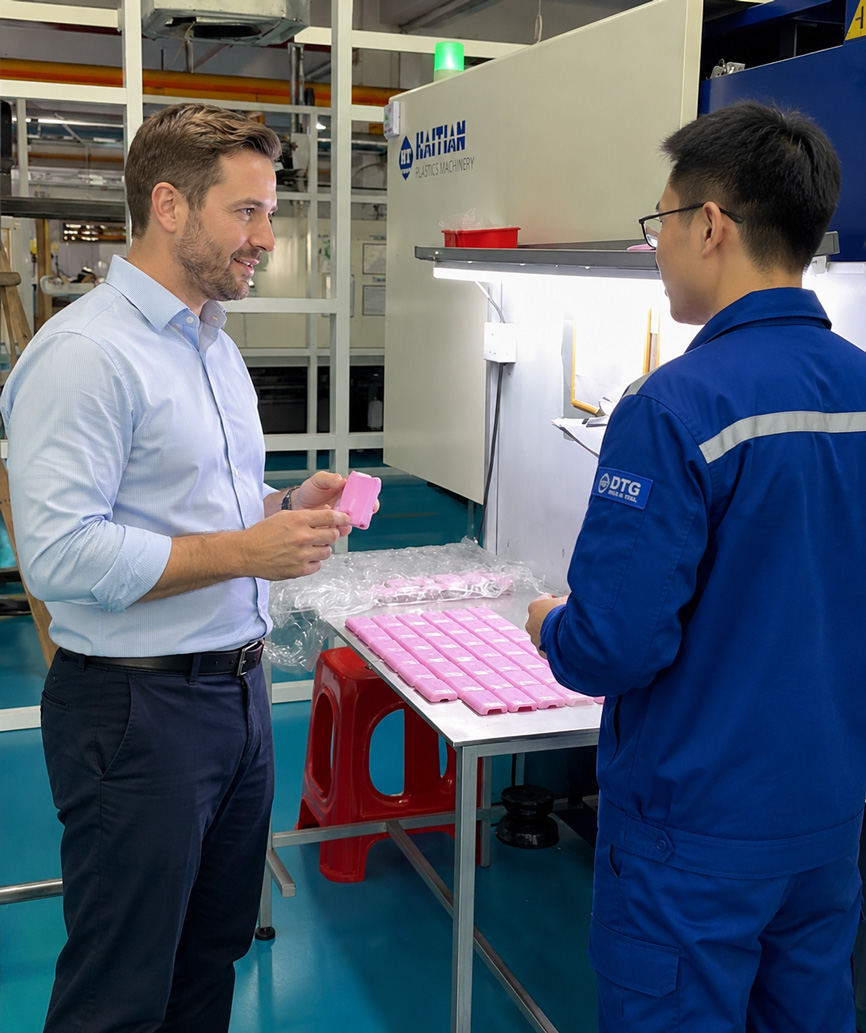
Starting an injection molding machine involves a series of steps to ensure that the machine is set up correctly and safely for production. Below is a comprehensive guide on how to start an injection molding machine:
1. Preparation
a. Safety Checks
- Personal Protective Equipment (PPE): Ensure that you are wearing appropriate PPE, such as safety glasses, gloves, and protective clothing.
- Machine Guards: Verify that all machine guards and safety devices are in place and functional.
- Emergency Stops: Check that emergency stop buttons are accessible and operational.
b. Material Preparation
- Material Drying: Confirm that the plastic resin is dried according to the manufacturer’s specifications. Use a desiccant dryer or hot air dryer if necessary.
- Material Handling: Ensure the material hopper is clean and free from contaminants. Load the dried material into the hopper.
c. Mold Installation
- Mold Mounting: Secure the mold in the machine using the appropriate clamping mechanism. Ensure the mold is properly aligned and securely fastened.
- Cooling Lines: Connect the cooling lines to the mold. Ensure there are no leaks and that the cooling system is functioning correctly.
- Ejector System: Connect the ejector system if necessary and check its operation.
[elementor-template id=”4330″]
2. Machine Setup
a. Power On
- Main Power: Turn on the main power supply to the injection molding machine.
- Control Panel: Power up the control panel and allow it to initialize.
b. Temperature Settings
- Barrel Heating: Set the appropriate temperature for each zone of the barrel, including the feed zone, compression zone, and metering zone, according to the material’s specifications.
- Nozzle Temperature: Set the nozzle temperature to the recommended level for the material being used.
- Mold Temperature: Set the mold temperature using the mold temperature controller. Ensure it matches the requirements for the material and part design.
c. Machine Parameters
- Injection Speed and Pressure: Set the injection speed and pressure according to the material and part requirements.
- Screw Speed and Back Pressure: Adjust the screw speed and back pressure for optimal plasticizing of the material.
- Clamping Force: Set the appropriate clamping force for the mold. Ensure it is sufficient to keep the mold closed during injection without causing damage.
- Cycle Time: Program the cycle time, including injection time, cooling time, and any other relevant timings.
3. Startup Procedure
a. Heating and Homogenizing
- Heat Up: Allow the machine to reach the set temperatures. This may take some time depending on the machine and material.
- Material Homogenization: Run the screw to homogenize the material in the barrel. This helps ensure consistent melting and mixing.
b. Purging
- Purging Process: Purge the barrel and nozzle to remove any residual material or contaminants. Use a purging compound if necessary.
- Check Melt Quality: Inspect the purged material to ensure it is free from contamination and properly melted.
4. Trial Run
a. Mold Close and Clamping
- Close Mold: Close the mold and engage the clamping mechanism.
- Clamping Force Check: Verify that the clamping force is correctly applied and that the mold is securely closed.
b. Injection and Filling
- Initial Injection: Perform an initial injection cycle to fill the mold with material. Monitor the process closely.
- Adjust Parameters: Adjust injection speed, pressure, and other parameters as needed based on the initial results.
c. Cooling and Ejection
- Cooling Phase: Allow the part to cool according to the set cooling time.
- Eject Part: Eject the part from the mold. Inspect the part for quality and consistency.
[elementor-template id=”4331″]
5. Production Run
a. Continuous Monitoring
- Monitor Parameters: Continuously monitor machine parameters and part quality during the production run.
- Adjustments: Make any necessary adjustments to maintain consistent quality and optimal production.
b. Documentation
- Record Settings: Document the machine settings, material batch, and any adjustments made during the startup process for future reference.
- Quality Control: Implement quality control checks to ensure that parts meet specifications throughout the production run.
Troubleshooting Tips
- Inconsistent Part Quality: Check for temperature fluctuations, material contamination, or issues with mold alignment.
- Machine Alarms: Address any machine alarms or error messages promptly. Refer to the machine manual for specific troubleshooting steps.
- Maintenance: Regularly maintain the machine and mold to prevent issues related to wear and tear.
By following these steps, you can ensure a smooth and efficient startup of your injection molding machine, leading to consistent and high-quality production.
Related Conten: https://www.m-dtg.com/service/plastic-assembly-decoration/