
Custom Injection Molding for Consumer Goods
Our products play an important role in the consumer goods industry, providing injection
molding services for critical parts and components for a wide range of consumer products.
ISO 9001:2015 | ITAR Registered | 5S – Lean Manufacturing
The Advantages of Injection Molding in Consumer Product Manufacturing
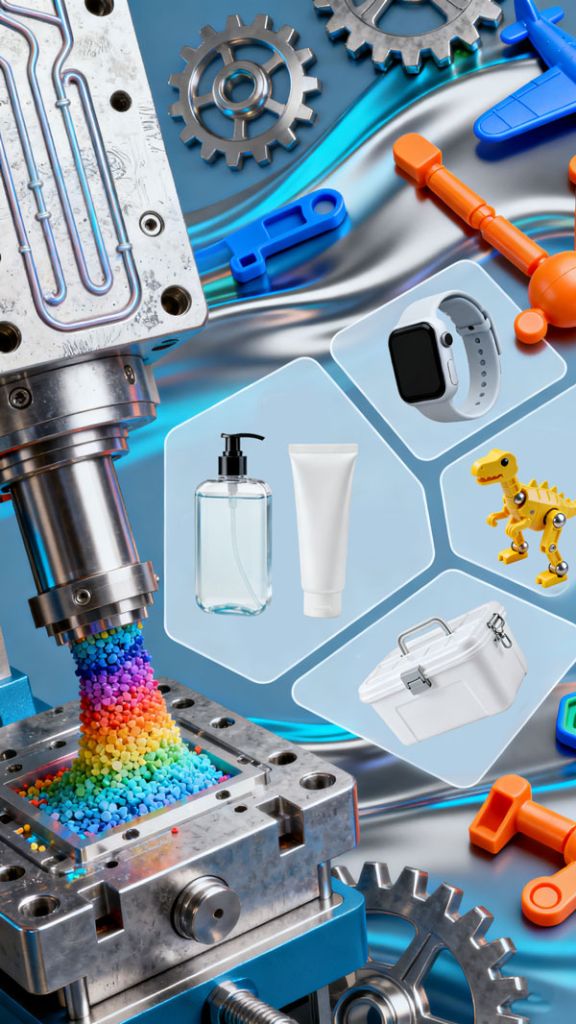
Injection molding is one of the most efficient and versatile manufacturing methods for today’s consumer goods, offering both large-scale and small-batch production flexibility. Once a mold is created, it enables high-volume manufacturing—producing thousands or even millions of identical parts with outstanding consistency and repeatability. At the same time, DTG’s advanced tooling and production systems also support low-volume and small batch production, ideal for prototype development, market testing, or limited-edition product runs.
With its exceptional material versatility, injection molding allows the use of a wide variety of plastics and additives to achieve specific performance, texture, and aesthetic goals. The process also supports complex geometries in a single step, ensuring precision in every curve and detail. Although the initial tooling investment can be significant, the cost-effectiveness at scale—combined with the option for small-batch flexibility—makes it a powerful choice for modern consumer product manufacturing.
At DTG, our injection molding services cover a wide range of consumer applications. In home furnishings, we create durable, elegant, and ergonomic parts for furniture, kitchenware, and decorative accessories. For electronic products, our precision-molded shells, connectors, and internal structures deliver both reliability and refined aesthetics. In personal care products, we manufacture safe, hygienic, and long-lasting components such as toothbrush handles, cosmetic packaging, and bottles that meet strict regulatory standards.
We also provide innovative solutions for toys and recreational products, ensuring safety, creativity, and durability, as well as packaging materials that offer strong sealing and excellent preservation performance.
At DTG, we combine high-precision injection molding, new material processing, and both mass and small-batch production capabilities to bring your consumer products to life.
Material Selection
Selecting the right plastic material is crucial to achieving the desired balance of performance, durability, and visual appeal in consumer product manufacturing. At DTG, we understand that every product has unique functional and aesthetic requirements—whether it needs high impact resistance, flexibility, heat stability, or transparency. That’s why our engineering team assists clients in choosing the optimal material for each specific application, ensuring consistent quality and long-term reliability.
Injection molding allows for an extensive range of material options, each offering distinct characteristics suited to different product categories. From robust structural parts to soft-touch consumer components, our expertise ensures the ideal combination of strength, functionality, and cost-effectiveness.
Common materials used in consumer goods injection molding include:
- ABS (Acrylonitrile Butadiene Styrene): Highly durable and impact-resistant, often used in electronic enclosures, automotive parts, and toys.
- Polypropylene (PP): Lightweight and chemical-resistant, ideal for food containers, household products, and automotive components.
- Polycarbonate (PC): Transparent, strong, and heat-resistant, making it suitable for eyewear, water bottles, and lighting fixtures.
- TPE (Thermoplastic Elastomer): Exceptionally flexible and comfortable to the touch, commonly used in grips, seals, and ergonomic components.
The right material choice can significantly impact both product performance and manufacturing efficiency, influencing the feel, function, and lifecycle of the final product. Additionally, DTG considers factors such as FDA compliance, UV resistance, flame retardancy, and environmental sustainability where applicable—ensuring that every material meets the industry’s highest standards of safety and reliability.
Comparison of Common Plastic Materials for Injection Molding
| Material | Strength | Heat Resistance | Flexibility | Cost-Effectiveness | Typical Applications |
| ABS | High | Medium | Low | High | Electronic enclosures, automotive parts, toys |
| Polypropylene (PP) | Medium | Medium | High | Very High | Food containers, automotive components, household items |
| Polycarbonate (PC) | Very High | High | Low | Medium | Eyewear, water bottles, light fixtures |
| TPE | Low | Low | Very High | Medium | Soft-touch components, grips, seals |
Innovation and Challenges in Consumer Product Injection Molding

The consumer goods industry is driven by constant change — from evolving design trends to growing sustainability expectations — making innovation and agility crucial in injection molding. At DTG, we understand that manufacturers face multiple challenges throughout product development, including rapid time-to-market pressures, cost control in competitive markets, and increasingly high standards for aesthetic quality and precision. Additionally, the demand for environmentally responsible materials and compliance with global safety regulations adds another layer of complexity to every production stage.
To address these challenges, modern injection molding continues to evolve through advanced technologies and sustainable solutions. Techniques such as in-mold labeling enable vibrant graphics to be integrated directly into the product surface, while gas-assist molding reduces material usage and enhances structural integrity in hollow components. Multi-material molding allows for the combination of rigid and flexible plastics within a single part, improving both functionality and ergonomics. Meanwhile, the development of recycled and bio-based plastics supports a more sustainable production cycle without compromising quality or performance.
Selecting the right injection molding partner is equally important to the success of any consumer product. A reliable manufacturer should demonstrate proven expertise in your industry, possess advanced molding and tooling capabilities, maintain rigorous quality management systems (such as ISO 9001), and offer design-for-manufacturing support to optimize production efficiency. At DTG, we combine these strengths with scalable production capacity to help our clients navigate every stage—from prototype to mass production—with confidence and precision.
In a world where innovation defines competitiveness, injection molding remains the cornerstone of modern consumer product manufacturing. By embracing new materials, smarter processes, and sustainable practices, DTG continues to empower brands to bring creative, durable, and high-quality products to market efficiently and responsibly.
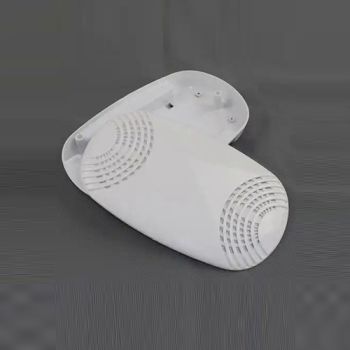
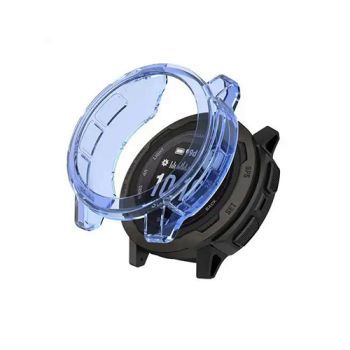
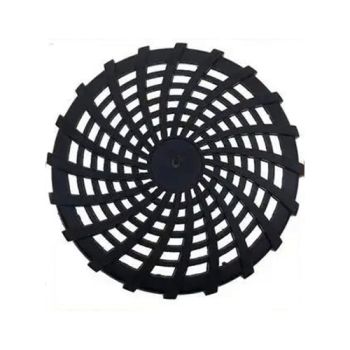
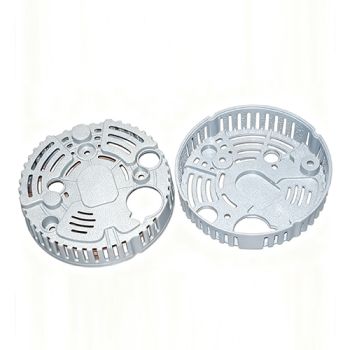
Injection-Molded Consumer Products
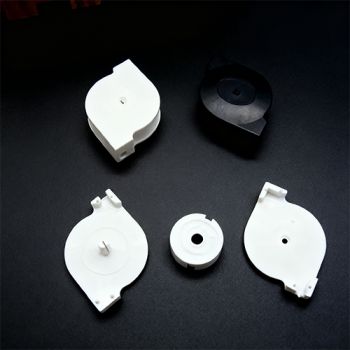
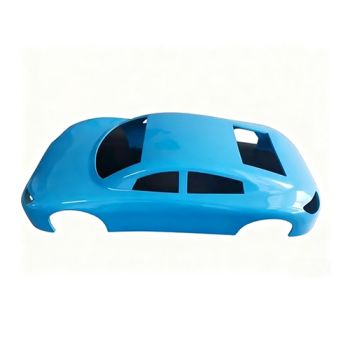
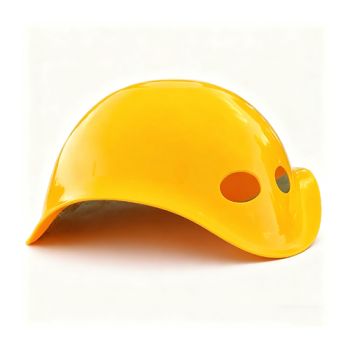
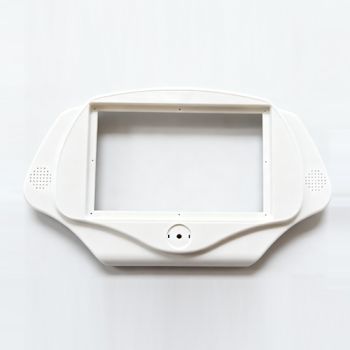
Injection molding is a versatile manufacturing method widely used to produce everyday consumer products. From household items and kitchenware to storage containers, toys, and personal care accessories, injection molding allows for precise shapes, consistent quality, and vibrant colors. These products benefit from the process’s ability to provide durability, lightweight construction, and cost-effective mass production, making high-quality plastic items accessible for daily use.





Why Choose DTG for Custom Injection Molding Services?
Combining engineering expertise, advanced manufacturing, and rigorous quality control to support your project from concept to production.
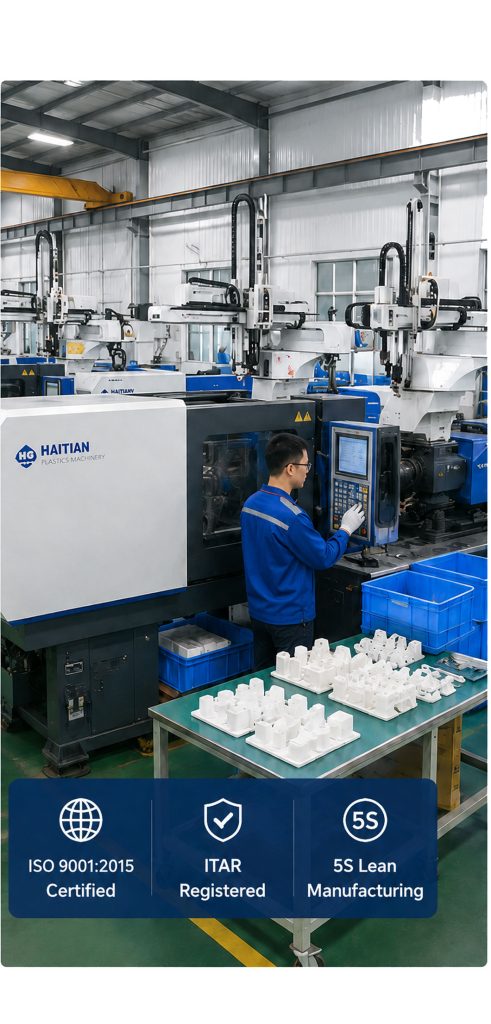

ISO 9001:2015 Certified
Our ISO 9001:2015 quality management system supports consistent processes from material inspection and molding to final inspection and shipment, helping ensure reliable and repeatable quality throughout production.

Advanced Manufacturing Equipment
Our modern injection molding equipment supports a wide range of part sizes, materials, and production volumes. Process control and inspection equipment help us maintain consistent quality from initial samples through full-scale production.

Engineering & DFM Support
Our engineering team provides DFM feedback, material selection support, and mold design recommendations before production, helping identify potential manufacturing issues early and reduce unnecessary tooling changes, delays, and costs.

Fast Lead Times
With coordinated engineering, tooling, and injection molding production, we streamline each stage from DFM review to mold trials and production, helping customers shorten development cycles and keep projects on schedule.

Injection Molding Expertise
Our team supports injection molding projects with complex geometries, tight tolerances, demanding cosmetic requirements, and a wide range of engineering plastics—from prototype development to repeat production.

Responsive Project Support
From quotation and DFM review through tooling, sampling, production, and delivery, our team keeps communication clear and responsive. Engineering questions, design changes, and production updates are handled quickly to keep your project moving.
Our Mold Design Process
From initial DFM review to mold validation, every step is engineered to reduce risk and prepare your tooling for reliable production.

Requirement Review
Understand part geometry, material, tolerance, volume, and project goals.

DFM & Concept Design
Evaluate manufacturability and develop the initial mold concept.

Detailed Mold Design
Complete 3D mold design including parting lines, gating, cooling, and ejection.

Mold Flow & Design Analysis
Review filling, cooling, warpage, and other potential molding risks before tooling.

Design Review & Approval
Review the mold design with the customer and confirm final requirements.

Tool Manufacturing
Manufacture mold components and complete assembly according to the approved design.

Mold Trial & Validation
Perform T0/T1 trials, inspect molded parts, and optimize the mold where necessary.

Production Release
Approve the mold for production and transfer it into stable injection molding.