Two Shot Injection
Molding: Process, Materials, Benefits, Applications, and Design Guide
Two shot injection molding is a manufacturing
process used to combine two plastics, two colors, or a rigid substrate and a soft-touch material within one
molded component. It can reduce secondary assembly, improve sealing reliability, and create more consistent
interfaces than separately molded and assembled parts. However, successful implementation depends on
material compatibility, mold architecture, part geometry, insert positioning, and accurate control of both
molding cycles.
What Is Two Shot Injection Molding?
Two shot injection molding, also called two-component molding, dual-shot
molding, or 2K molding, produces one component from two separate polymer injections. The first
material forms the substrate. The mold or part is then repositioned, and a second material is
injected onto or around the first shot.
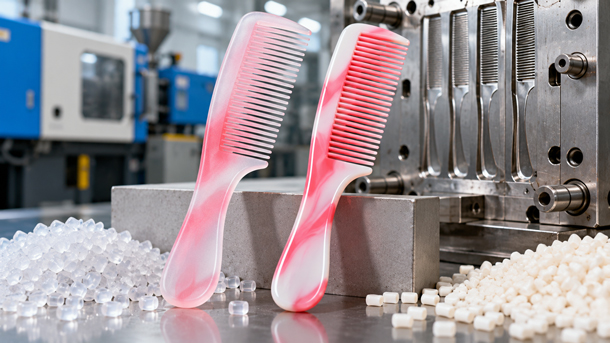
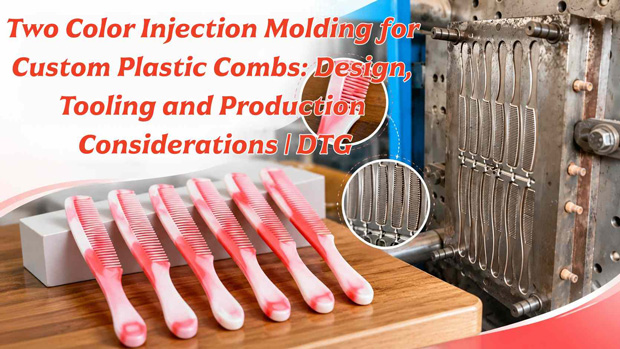
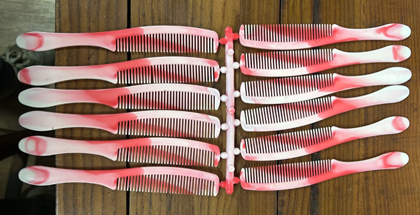
The two materials may differ in color, hardness, texture, electrical
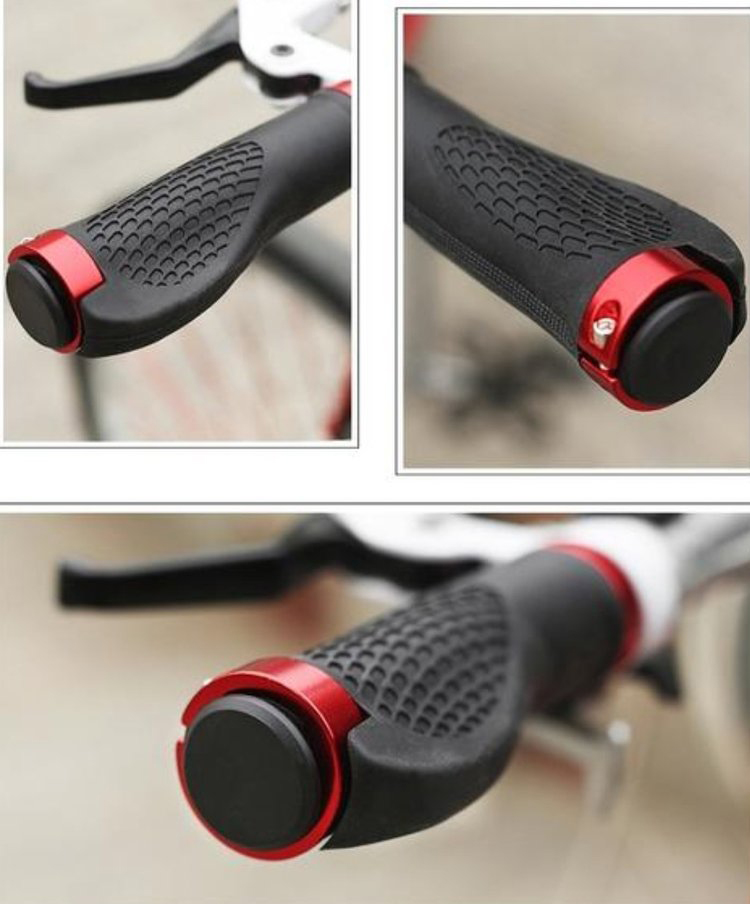
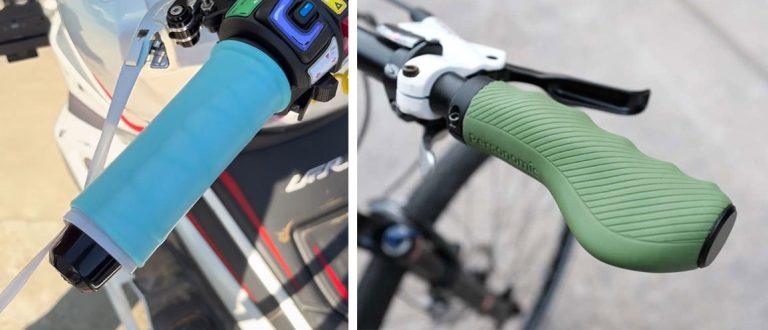
properties, chemical resistance, or functional purpose. Typical combinations include a rigid
thermoplastic body with a soft thermoplastic elastomer grip, a transparent optical section with an
opaque housing, or two colored resins molded into one visual component.
Unlike conventional overmolding with manually loaded inserts, an automated two-shot
system normally transfers the first molded section directly to the second cavity by rotating a mold
plate, rotating the core, moving the cavity, or using a robotic transfer system.
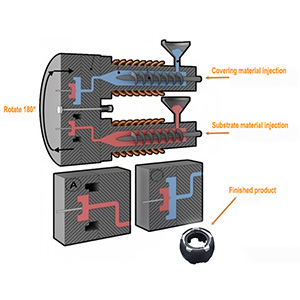
How the Two Shot Injection Molding Process Works
- First-shot injection: The first polymer is injected into
the initial cavity to create the rigid substrate, internal frame, colored section, or other primary
feature. - Initial cooling: The first shot cools enough to retain its
shape during transfer. It usually remains warm enough to support interfacial bonding with the second
material. - Part or mold transfer: A rotary platen, index plate,
rotating core, sliding core, or robot moves the first shot into the second molding position. - Second-shot injection: The second polymer fills the
remaining cavity space and contacts selected surfaces of the first shot. - Bonding and final cooling: The second material bonds
through chemical adhesion, thermal interaction, mechanical interlocking, or a combination of these
mechanisms. - Ejection: The finished two-material component is released as one part, generally
without a separate bonding or assembly operation.
Common Two-Shot Mold Configurations
The appropriate mold architecture depends on production volume, component size,
geometry, material behavior, cycle time, and available molding equipment.
| Configuration | How It Works | Typical Advantages | Engineering Considerations |
|---|---|---|---|
| Rotary platen | One mold half rotates between the first and second injection stations. |
Efficient automation and stable transfer for medium- to high-volume production. |
Requires compatible machine geometry and accurate rotational alignment. |
| Index plate | An internal plate rotates or shifts the first shot to another cavity. |
Compact transfer arrangement and precise part positioning. |
More complex mold construction and maintenance. |
| Rotating core | A core section rotates while the part remains supported on the core. |
Good positional control for cylindrical or localized overmold features. |
Core strength, cooling, sealing, and rotational tolerances require careful design. |
| Core-back system | A movable core retracts after the first shot to create space for the second material. |
No full part transfer and useful for layered or localized second-shot geometry. |
Stroke control, shutoff design, and second-shot pressure must be managed. |
| Robotic transfer | A robot moves the first shot into a second mold or cavity. |
Greater flexibility for large parts or different molding machines. |
Longer transfer time may reduce surface temperature and bonding performance. |
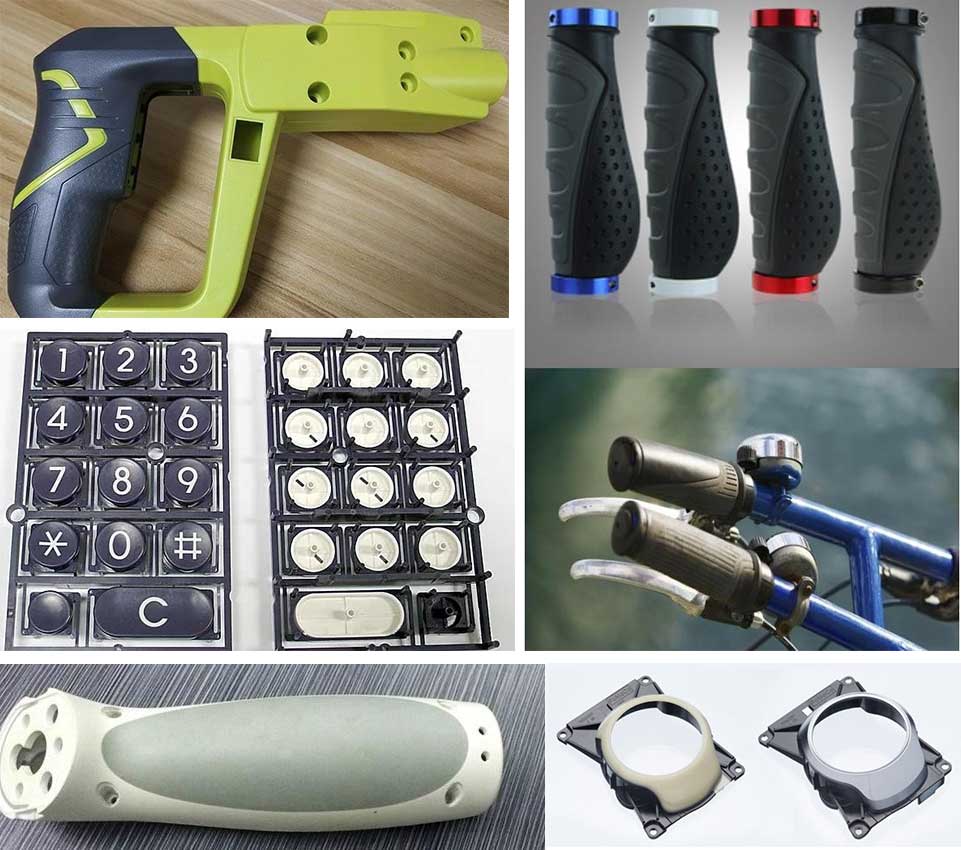
Where Two Shot Plastic Injection Molding Is Used
Two shot plastic injection molding is commonly selected when one component
must perform several functions that cannot be achieved efficiently with a single resin.
- Automotive components: interior switches, knobs,
control panels, seals, lighting elements, and soft-touch interfaces. - Medical and laboratory products: handles, seals,
device housings, grips, and color-coded controls. - Electronic components: buttons, protective
housings, cable interfaces, vibration-damping features, and sealing structures. - Industrial equipment: tool grips, protective
covers, control interfaces, gaskets, and impact-absorbing surfaces. - Packaging and closures: integrated seals,
dispensing features, hinges, and contrasting identification areas. - Optical and display parts: clear windows combined with opaque frames or
light-guiding and light-blocking sections.
Advantages and Limitations
| Potential Advantages | Potential Limitations |
|---|---|
|
|
Material Selection and Compatibility
Material compatibility is one of the most important decisions in the two shot
injection molding process. A combination that appears suitable based only on hardness or color may fail
because of poor interfacial adhesion, incompatible processing temperatures, excessive shrinkage difference,
or chemical interaction.
Chemical and Thermal Bonding
Some polymers develop molecular or chemical adhesion when the second melt contacts
the warm first-shot surface. Bond strength depends on the polymer families, surface temperature, melt
temperature, contact pressure, cooling history, and elapsed transfer time.
Mechanical Interlocking
When chemical adhesion is limited, the part can use holes, grooves, undercuts, ribs,
dovetail features, or wraparound geometry. The second material flows through or around these features and
creates physical retention. Mechanical locking is especially useful where peel loads or repeated flexing may
occur.
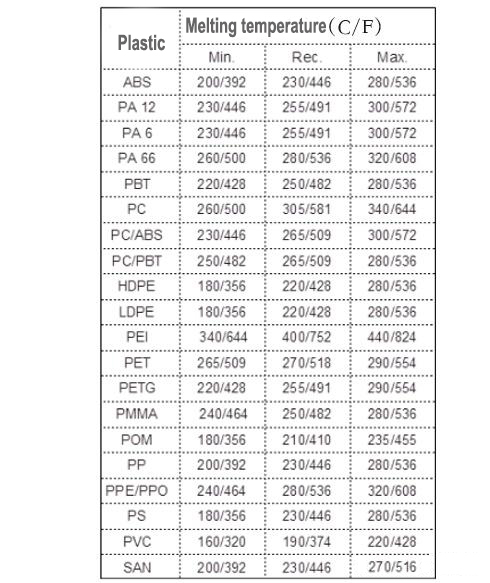
Processing Temperature Window
The second material must be processed at a temperature that allows proper filling
and bonding without distorting, melting, or degrading the first shot. The first material should generally
have sufficient heat resistance and dimensional stability to tolerate the second injection cycle.
Shrinkage and Thermal
Expansion
Large differences in molding shrinkage or thermal expansion can create warpage, residual
stress, edge lifting, or long-term interface separation. Material data should be evaluated together with
wall thickness, fiber orientation, gate location, service temperature, and part restraint.
Two Shot Injection Molding Design Guide
A practical two shot injection molding design guide must consider the geometry of
each shot independently and the behavior of the completed assembly. The following factors should be reviewed
during DFM rather than after mold construction.
1. Define the Function of Each
Material
Clarify whether the second material provides sealing, grip, impact absorption, color
differentiation, insulation, light control, or another function. The required function determines the
necessary coverage area, bond strength, hardness, wall thickness, and interface geometry.
2. Provide Stable First-Shot
Support
The first shot must remain accurately located during the second injection.
Unsupported thin walls can deflect under melt pressure, causing uneven overmold thickness, flash, short
shots, or dimensional variation. The mold should support critical surfaces while avoiding visible witness
marks where possible.
3. Design Reliable Shutoff
Surfaces
Shutoffs control the boundary between materials. They should have sufficient contact
area, suitable draft, and adequate steel strength. Sharp or fragile shutoffs can wear rapidly and produce
flash along the material transition line.
4. Use Appropriate Draft
Angles
Both shots require adequate draft for release. Textured surfaces and soft elastomers
may require additional draft. Insufficient draft can stretch the second material, distort the first shot,
increase ejection force, or damage the bonded interface.
5. Control Wall Thickness
Transitions
Sudden thickness changes can cause sink marks, voids, differential cooling, and
warpage. The second-shot layer should be designed with a reasonably consistent thickness, particularly
around corners, ribs, and sealing surfaces.
6. Select Gate Locations for Both
Shots
The first and second shots require separate flow analysis. Gate locations should
support balanced filling, controlled weld-line placement, proper air evacuation, and acceptable cosmetic
appearance. The second-shot flow should not displace or deform the first-shot substrate.
7. Design for Venting
Air can become trapped at the end of the second-shot flow path, especially around
enclosed overmold features. Inadequate venting may cause burns, incomplete filling, weak bonding, or visible
defects.
8. Consider Peel and Shear
Loads
A material interface generally resists shear loads more effectively than peel loads.
Interface geometry should redirect service loads where possible. For demanding applications, combine
material adhesion with mechanical retention features.
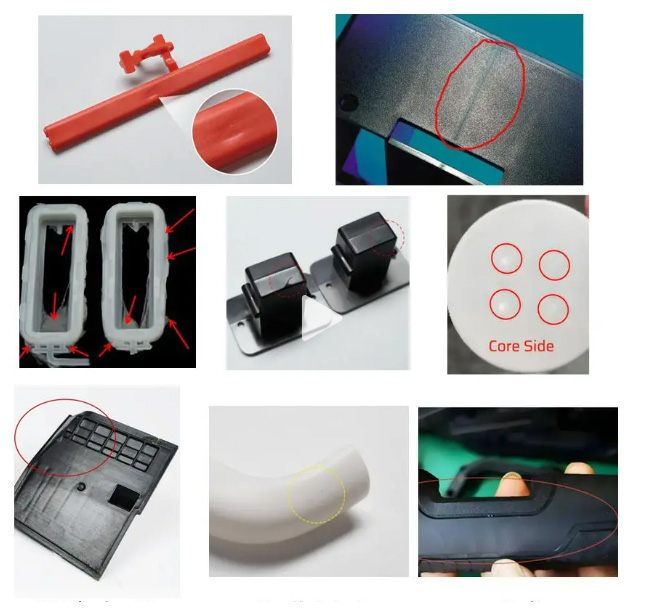
Common Defects, Causes, and Corrective Actions in Our Production
In our production, defects in two-material components may originate from part geometry, material preparation, transfer timing, mold alignment, temperature settings, or injection pressure.When troubleshooting, we evaluate both molding stages and the interaction between them.
| Issues We Commonly Encounter | Possible Causes We Identify | Our Corrective Actions |
|---|---|---|
| Weak material bond in our molded parts | Incompatible polymers, low interface temperature, contamination, excessive transfer delay, or insufficient pressure. |
We verify material compatibility, increase the surface or melt temperature within material limits, shorten the transfer time, and add mechanical interlocks when necessary. |
| Flash at the interface during our production | Worn shutoffs, poor mold alignment, excessive injection pressure, or deformation of the first shot. |
We improve part support, inspect the shutoff steel, correct mold alignment, and optimize the second-shot pressure and speed. |
| Incomplete second shot in our molding process | Insufficient venting, low melt temperature, restricted flow, small gates, or premature freezing. |
We improve venting, review the gate size, balance the flow length, and adjust the temperature and injection profile. |
| Warpage in our finished parts | Uneven wall thickness, differential shrinkage, unbalanced cooling, or excessive residual stress. |
We improve wall-thickness uniformity, review material pairing, balance the cooling process, and optimize packing conditions. |
| First-shot displacement during our molding process | Inadequate support, excessive second-shot pressure, weak first-shot stiffness, or transfer misalignment. |
We increase substrate support, modify the gate direction, reduce peak pressure, or strengthen the first-shot geometry. |
When Is Two Shot Molding Economically Appropriate?
Two-shot tooling is usually more complex than a conventional single-material mold.
The process is therefore most suitable when the value of integrated functions, reduced assembly, lower
handling, improved consistency, or higher production volume can justify the tooling and equipment
requirements.
For lower-volume programs, separate molding and assembly or conventional overmolding
may offer a more practical cost structure. For repeat production, two-shot molding can reduce labor content,
work-in-process inventory, alignment variation, and secondary bonding operations.
A cost comparison should include tooling, molding cycle time, machine requirements,
material usage, scrap risk, assembly labor, inspection, logistics, and expected annual volume. DTG provides
two
shot molding services for projects requiring integrated materials, automated transfer, and
production-oriented mold design.
Information to Prepare Before Requesting a Moldability Review
A productive engineering review begins with clear functional and manufacturing
requirements. The following information helps a mold maker evaluate feasibility and recommend an appropriate
process:
- 3D CAD data and critical 2D dimensions.
- Preferred materials or required mechanical, thermal, chemical, and regulatory
properties. - Required colors, textures, hardness levels, and cosmetic surfaces.
- Bonding, sealing, retention force, or peel-strength expectations.
- Annual volume, expected program life, and target cycle time.
- Critical tolerances and assembly interfaces.
- Operating temperature, environmental exposure, and expected service loads.
- Inspection, validation, packaging, and traceability requirements.
Discuss Material Pairing and
Moldability with an Engineering Team
Two shot injection molding decisions should be made
early because interface geometry, material selection, gate location, mold transfer method, and part
tolerances are closely connected. An early DFM review can identify bonding risks, unsupported features,
difficult shutoffs, and avoidable tooling complexity before mold construction begins.