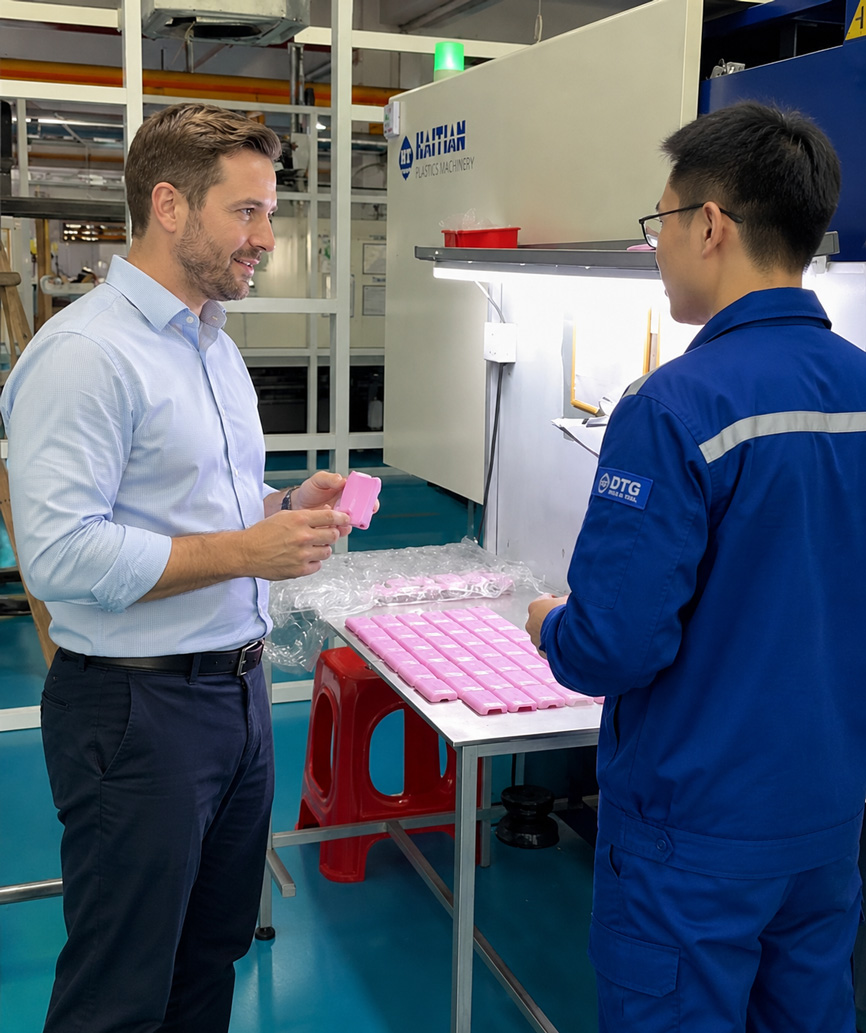
Personal Protective Equipment (PPE) has become a critical part of modern workplaces and healthcare environments. From face shields and goggles to respirators and protective helmets, safety gear must meet strict quality standards while being produced efficiently. In 2025, PPE injection molding continues to evolve with new technologies and sustainable practices that are shaping the industry’s future.
Advanced Materials for Better Protection
One of the biggest innovations in PPE injection molding is the use of advanced polymers and composite materials. Manufacturers are adopting high-performance plastics with superior strength, flexibility, and resistance to impact. These materials not only enhance protection but also improve comfort, making PPE more wearable for longer periods.
Smart Manufacturing and Automation
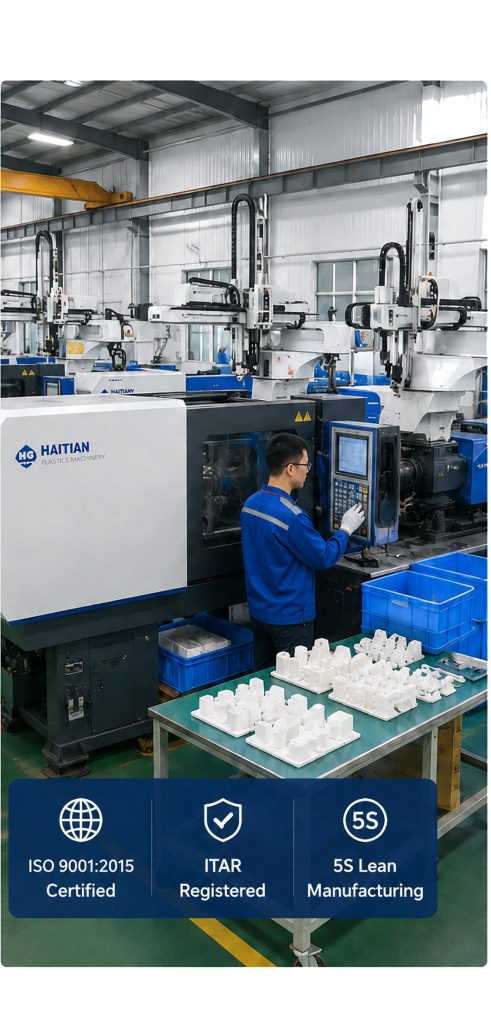
Automation in injection molding is not new, but 2025 is seeing greater adoption of smart manufacturing systems. AI-driven monitoring and robotics now allow for:
Faster cycle times without sacrificing precision
Reduced defects through real-time quality control
Higher scalability to meet demand surges, such as during public health emergencies
This shift enables PPE manufacturers to respond quickly to global needs while maintaining consistent quality.
Sustainability and Eco-Friendly Materials
Sustainability is a growing priority in manufacturing. In 2025, more companies are exploring biodegradable and recycled plastics for PPE injection molding. This innovation helps reduce plastic waste while still delivering protective gear that meets regulatory requirements. Additionally, energy-efficient molding machines are cutting production costs and carbon emissions.
Enhanced Design Capabilities
Modern CAD tools and advanced mold-making technologies allow for more ergonomic and customized PPE designs. For instance, injection-molded respirators now feature better facial seals and improved airflow systems, enhancing both protection and comfort.
Global Compliance and Safety Standards
As regulations evolve, PPE injection molding manufacturers are placing greater emphasis on meeting international safety standards. Automated compliance checks during production ensure products are tested and certified faster, helping companies bring innovations to market more efficiently.
Final Thoughts
The year 2025 marks a turning point in PPE injection molding, with innovations in materials, automation, sustainability, and design. These changes not only improve the safety and comfort of protective equipment but also make production more efficient and environmentally responsible. For businesses seeking reliable PPE solutions, staying ahead of these trends will be key to success.