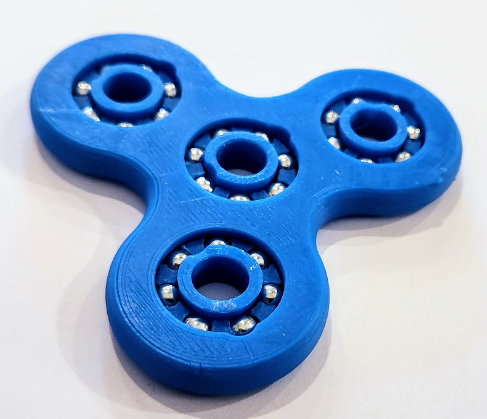
Good Flowability – ABS melts easily and flows well into molds, making it suitable for complex geometries.
High Impact Resistance – It provides durability and toughness, making it ideal for high-stress applications.
Heat and Chemical Resistance – ABS can withstand moderate heat and chemical exposure, making it useful in automotive and electronic applications.
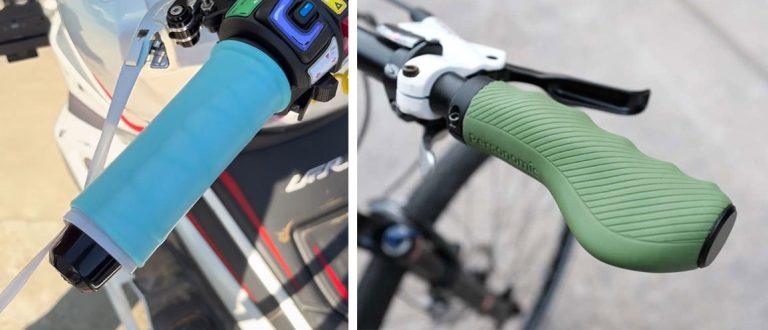
Good Surface Finish – It allows for smooth, glossy, or textured surfaces, often eliminating the need for post-processing.
Easily Colorable & Paintable – ABS can be dyed or painted, offering aesthetic flexibility.
Common Applications of Injection-Molded ABS:
Automotive parts (dashboards, trims, housings)
Consumer electronics (laptop shells, remote controls)
Toys (LEGO bricks are made from ABS)
Medical devices (non-implantable components)
Industrial equipment (protective casings, tool housings)
Key Considerations for ABS Injection Molding:
Processing Temperature: Typically ranges from 210°C to 250°C (410°F to 482°F).
Mold Temperature: Recommended 50°C to 80°C (122°F to 176°F) to optimize surface quality.
Shrinkage Rate: Around 0.4% to 0.9%, so mold design must compensate for dimensional changes.
Drying Requirement: ABS is hygroscopic and must be dried before molding (at 80°C for 2-4 hours) to avoid defects like bubbles or weak parts.
ABS is a versatile, cost-effective, and durable material for injection molding, making it a preferred choice for many industries. Do you need help with a specific ABS injection molding project?