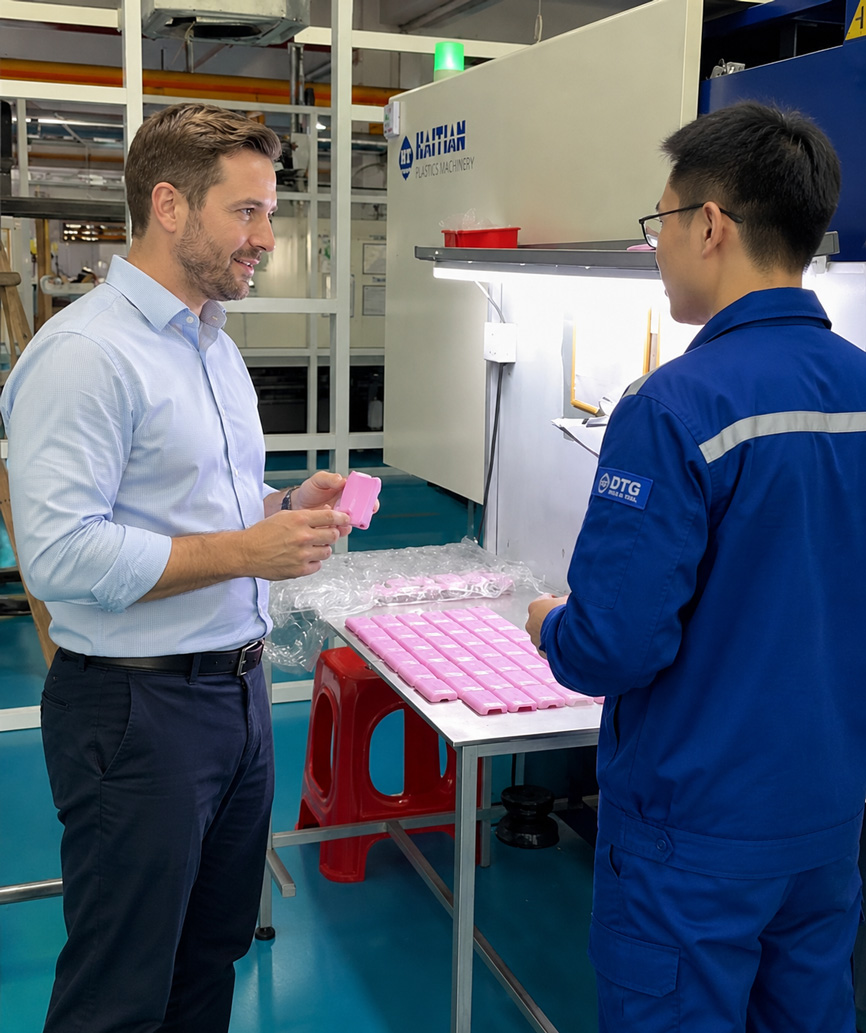
Injection molding is a versatile manufacturing process used across many industries due to its ability to produce complex, high-quality parts at scale. Here are some key industries that rely on injection molding:
1. Automotive Industry
Applications
- Interior and Exterior Parts: Dashboards, door panels, bumpers, grilles.
- Engine Components: Valve covers, engine housings, and under-the-hood components.
- Functional Parts: Clips, fasteners, and other small components used throughout vehicles.
Benefits
- High precision and repeatability.
- Ability to produce complex geometries.
- Cost-effective for high-volume production.
[elementor-template id=”4330″]
2. Medical Industry
Applications
- Medical Devices: Syringes, IV components, inhalers.
- Surgical Instruments: Handles, grips, various surgical tools.
- Diagnostic Equipment: Housings and components for devices like MRI machines and blood analyzers.
Benefits
- Use of medical-grade materials.
- High precision and stringent quality control.
- Sterilization capability for medical environments.
3. Consumer Goods
Applications
- Household Items: Containers, utensils, kitchen appliances.
- Electronics: Housings for devices like smartphones, tablets, remote controls.
- Toys: Action figures, building blocks, other plastic toys.
Benefits
- Versatility in design and color.
- High production speed.
- Cost-effective for mass production.
4. Packaging Industry
Applications
- Containers: Bottles, caps, closures for food and beverages.
- Packaging Components: Blister packs, trays, clamshells.
- Cosmetic Packaging: Compacts, lipstick tubes, lotion dispensers.
Benefits
- Lightweight and durable packaging.
- High production efficiency.
- Customization for branding and functionality.
5. Electronics and Electrical Industry
Applications
- Connectors and Switches: Electrical connectors, sockets, switches.
- Enclosures: Casings for electronic devices and components.
- Components: Insulators, circuit board holders, various small parts.
Benefits
- High precision for electronic components.
- Use of insulating materials.
- Capability to produce intricate designs.
[elementor-template id=”4331″]
6. Aerospace Industry
Applications
- Interior Components: Overhead bins, seat parts, interior panels.
- Functional Parts: Clips, fasteners, connectors.
- Prototypes and Testing: Parts for testing and evaluation before final production.
Benefits
- Lightweight and durable materials.
- High precision and reliability.
- Ability to produce complex shapes.
7. Construction Industry
Applications
- Building Materials: Pipe fittings, fasteners, wall panels.
- Tools and Equipment: Handles, grips, various tool components.
- Insulation and Seals: Gaskets, seals, insulation materials.
Benefits
- Durability and resistance to harsh conditions.
- Customization for specific construction needs.
- Cost-effective for high-volume requirements.
8. Agricultural Industry
Applications
- Equipment Parts: Components for tractors, harvesters, irrigation systems.
- Containers: Bins, containers for produce and chemicals.
- Tools: Handles, grips, various small tools.
Benefits
- Durable and weather-resistant materials.
- High precision for functional components.
- Cost-effective for producing large volumes.
[elementor-template id=”4330″]
9. Sports and Recreation
Applications
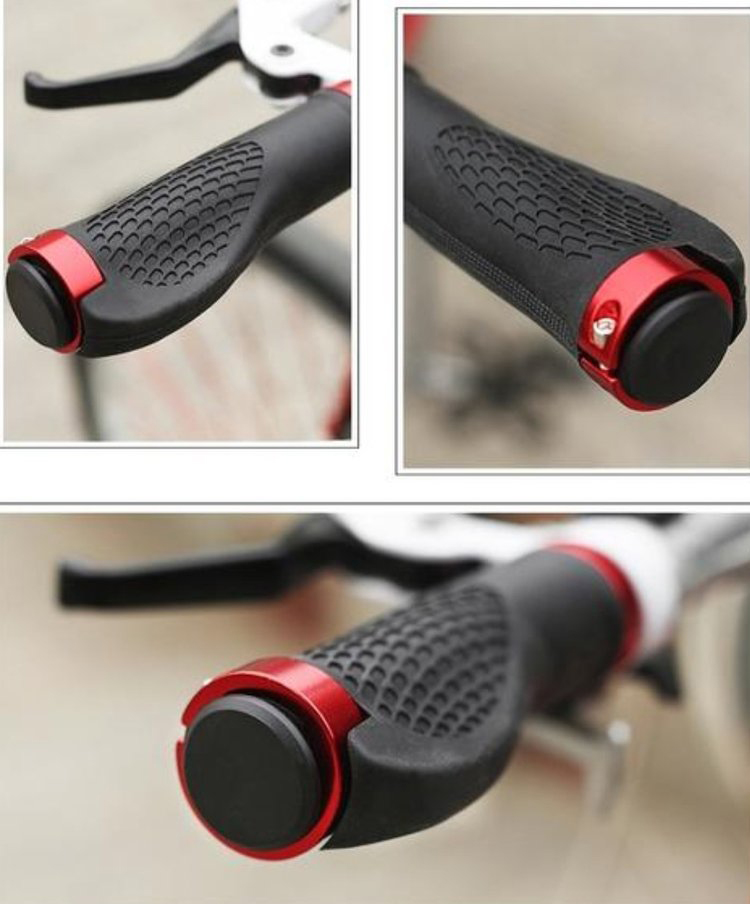
- Equipment: Components for bicycles, fitness equipment, sporting goods.
- Accessories: Helmets, protective gear, water bottles.
- Toys and Games: Parts for board games, outdoor toys, recreational items.
Benefits
- Customization for specific applications.
- High durability and resistance to wear.
- Versatility in design and material selection.
Conclusion
Injection molding is essential across many industries due to its ability to produce high-quality, precise parts efficiently and cost-effectively. Its versatility in material selection and design capability makes it suitable for a wide range of applications, from automotive components to medical devices and consumer goods.
Related Conten: Prototype Manufacturing