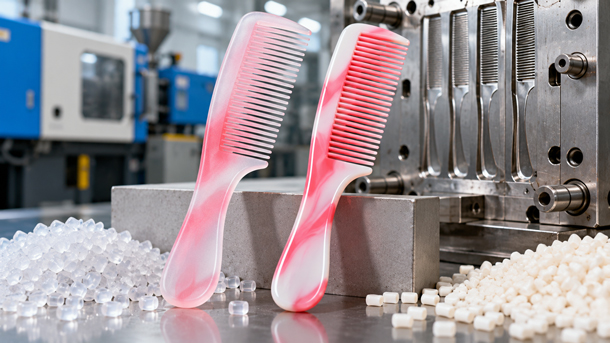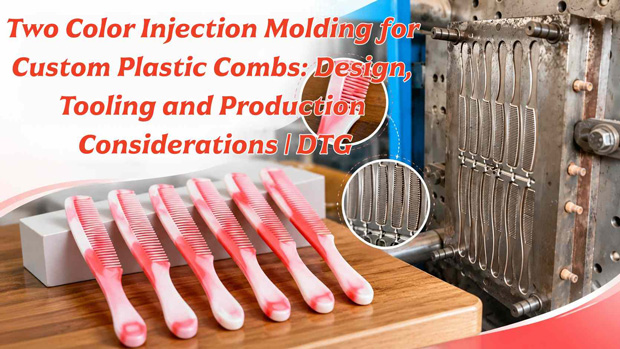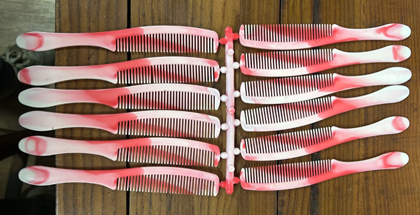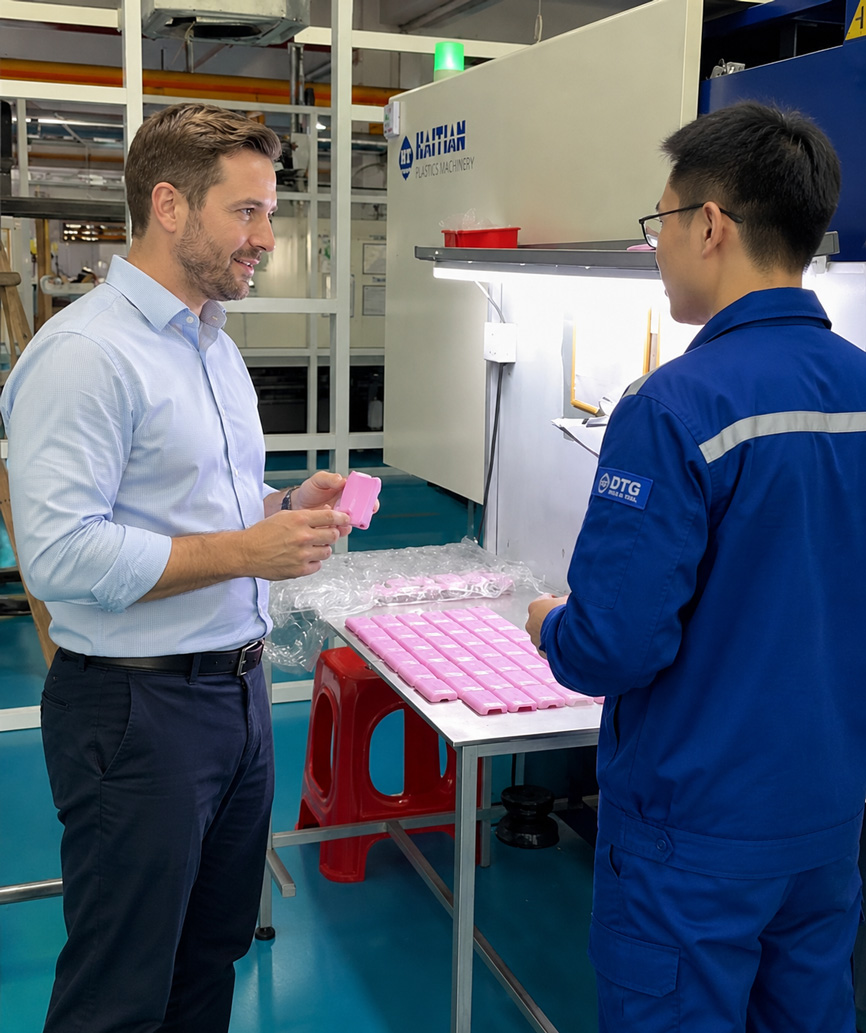
Injection molding is a versatile manufacturing process widely used for producing parts and products from thermoplastics. Here’s an overview of how thermoplastics are injection molded and their applications:
Process Overview
- Material Preparation:
- Thermoplastics are polymers that soften when heated and harden when cooled, allowing them to be reshaped and reused.
- Granules or pellets of thermoplastic resin are fed into the injection molding machine’s hopper.
- Melting and Injection:
- The resin is heated and melted inside a barrel using screws or plungers.
- Once molten, the material is injected under high pressure into a mold cavity designed to form the desired part shape.
- Cooling and Ejection:
- The mold is cooled to solidify the molten plastic quickly.
- The mold opens, and the solidified part, or “shot,” is ejected from the mold cavity.
Key Considerations
- Material Choice: Thermoplastics such as polyethylene (PE), polypropylene (PP), polystyrene (PS), polyvinyl chloride (PVC), and others are commonly used due to their versatility, cost-effectiveness, and ease of processing.
- Mold Design: Precision molds are crucial for achieving desired part dimensions and surface finish. Mold cavities can be complex, allowing for intricate part geometries.
- Processing Conditions: Parameters like injection pressure, temperature, and cooling time are carefully controlled to optimize part quality and production efficiency.
Advantages of Injection Molding Thermoplastics
- Efficiency: High-volume production with rapid cycle times, reducing per-unit costs.
- Design Flexibility: Ability to produce complex shapes and features with tight tolerances.
- Material Properties: Thermoplastics offer a range of mechanical, thermal, and chemical properties suitable for diverse applications.
Applications
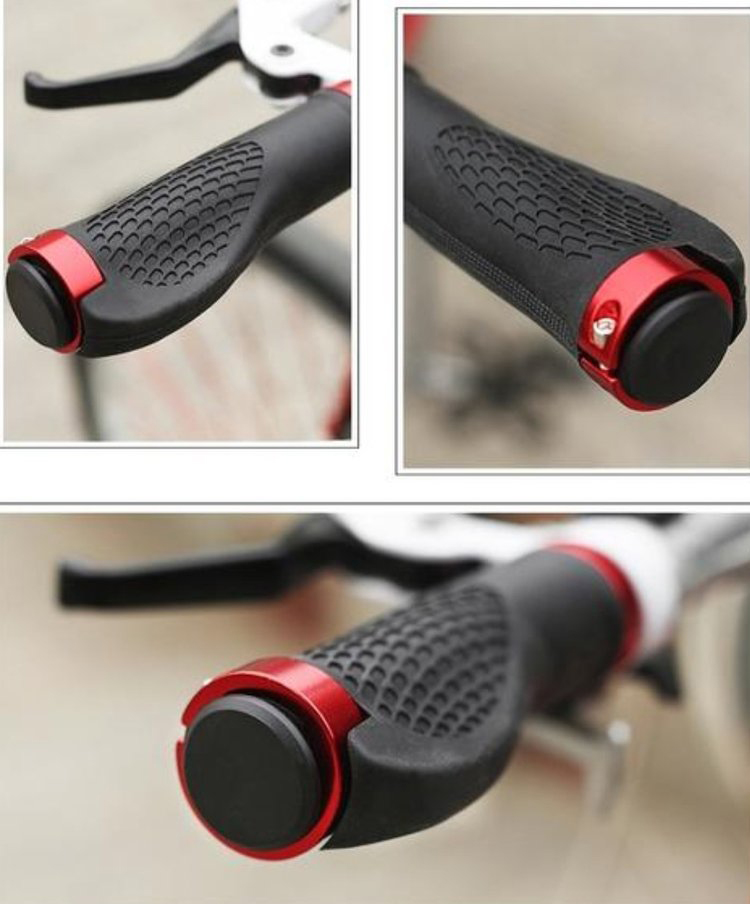
- Consumer Products: Bottles, containers, toys, and household items made from PE, PP, and PVC.
- Automotive: Interior components, dashboards, and exterior trim parts using ABS and PC/ABS blends.
- Electronics: Enclosures, connectors, and casings made from polycarbonate (PC) and acrylonitrile butadiene styrene (ABS).
- Medical: Sterile packaging, devices, and components using medical-grade thermoplastics like polyethylene terephthalate glycol (PETG) and polypropylene (PP).
Conclusion
Injection molding is a highly efficient and versatile process for manufacturing thermoplastic parts across various industries. By leveraging the properties of thermoplastics and optimizing molding parameters, manufacturers can produce high-quality, cost-effective components that meet stringent design requirements and performance standards.
Related Conten: Plastic Parts Manufacturer/