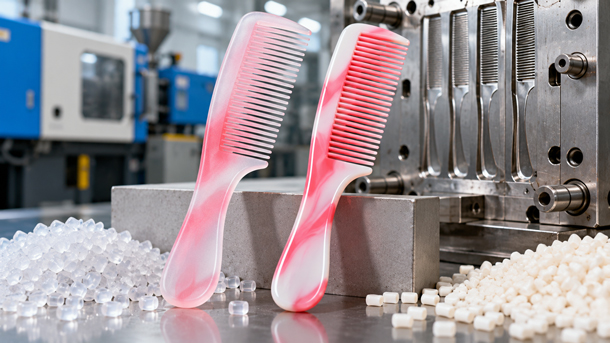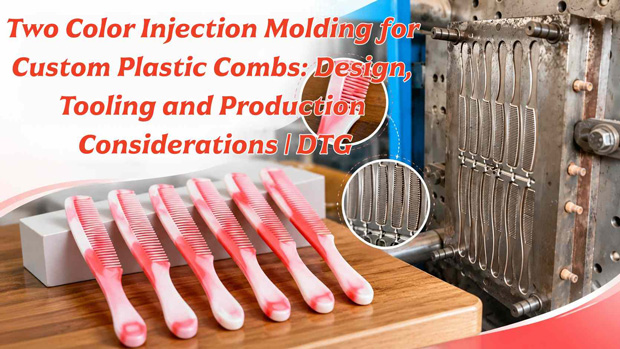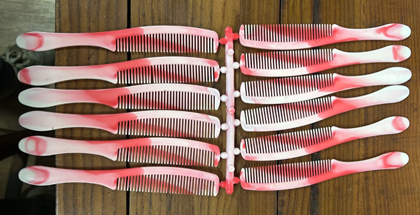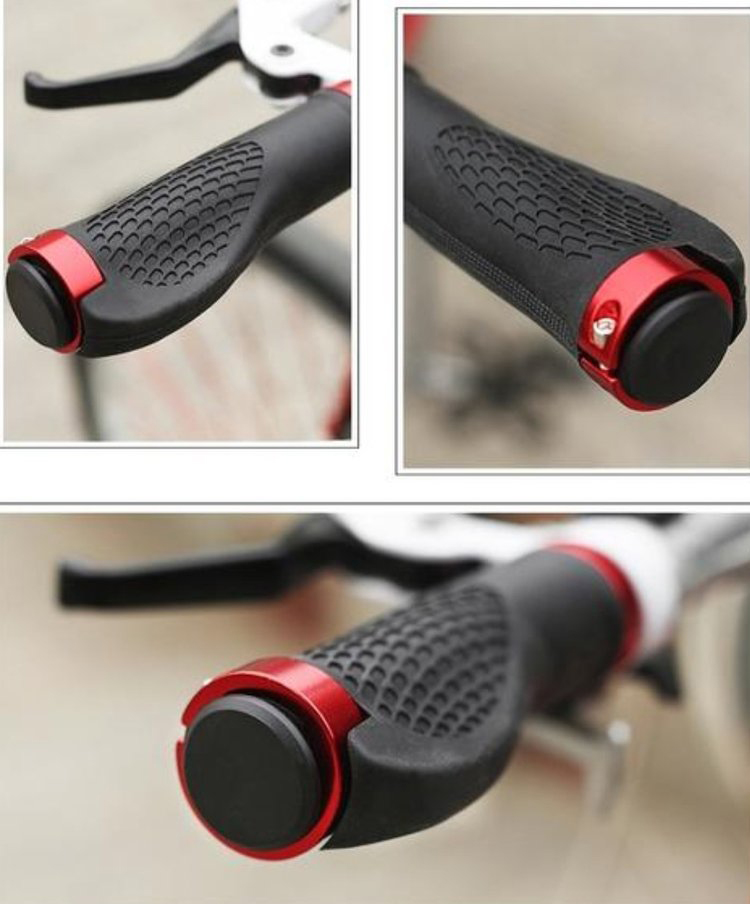
Yes, nylon can be injection molded. Nylon, also known by its chemical name polyamide (PA), is a versatile and widely used thermoplastic in injection molding. It is known for its excellent mechanical properties, such as high strength, toughness, and resistance to wear and abrasion. Here’s a detailed look at nylon injection molding:
Properties of Nylon
- High Strength and Durability:
- Nylon has excellent tensile strength and toughness, making it suitable for high-stress applications.
- Wear and Abrasion Resistance:
- It offers good resistance to wear and abrasion, which is beneficial for parts that experience frequent friction.
- Chemical Resistance:
- Nylon is resistant to many chemicals, including oils, fuels, and solvents, although it can be affected by strong acids and bases.
- Moisture Absorption:
- Nylon can absorb moisture from the environment, which can affect its mechanical properties and dimensions. This is an important consideration in both processing and application.
- Low Friction:
- The material has a low coefficient of friction, making it suitable for applications requiring sliding or moving parts.
- Thermal Stability:
- Nylon has good thermal stability and can withstand high temperatures, though it can be affected by prolonged exposure to heat.
Applications of Nylon Injection Molding
- Automotive Industry:
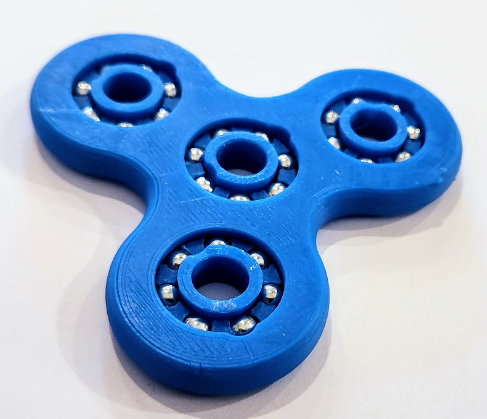
- Components such as gears, bearings, bushings, and under-the-hood parts.
- Consumer Goods:
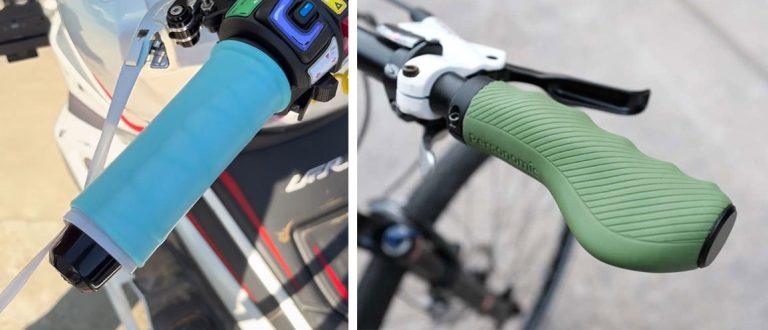
- Items such as kitchen utensils, sporting goods, and electrical housings.
- Industrial Applications:
- Machine parts, conveyor belts, and components requiring high wear resistance.
- Textile Industry:
- Parts for textile machinery and equipment.
- Electronics:
- Connectors, switches, and housings for electronic devices.
Injection Molding Process for Nylon
- Material Preparation:
- Nylon pellets must be thoroughly dried before processing to prevent moisture-related defects. Typical drying conditions are 80-90°C (176-194°F) for 4-6 hours.
- Injection Molding Machine Setup:
- Temperature Settings: Barrel temperatures are usually set between 240°C to 280°C (464°F to 536°F), depending on the specific grade of nylon.
- Mold Temperature: Typically maintained between 80°C to 120°C (176°F to 248°F) to ensure proper flow and crystallization.
- Injection Pressure: Generally ranges from 750 to 1250 psi, depending on part geometry and material viscosity.
- Cooling Time: Adequate cooling time is essential to ensure part stability and prevent warpage.
- Molding Cycle:
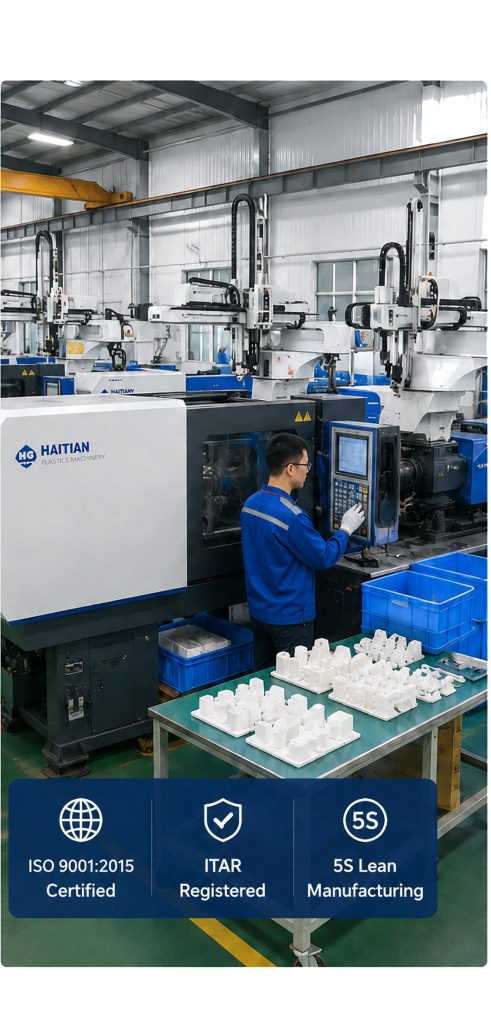
- Injection: The molten nylon is injected into the mold cavity under high pressure.
- Cooling: The part cools and solidifies in the mold. The cooling time depends on the part thickness and mold temperature.
- Ejection: Once solidified, the part is ejected from the mold.
- Post-Processing:
- Parts may require trimming to remove excess material or flash.
- Additional finishing processes, such as painting or assembly, may be applied.
[elementor-template id=”4330″]
Benefits of Using Nylon in Injection Molding
- Versatility: Suitable for a wide range of applications due to its excellent mechanical properties.
- Durability: High strength and toughness make it ideal for parts subjected to stress and wear.
- Chemical Resistance: Resistant to various chemicals, enhancing its suitability for different environments.
- Ease of Processing: Flows well during molding, allowing for the production of intricate and detailed parts.
Considerations
- Moisture Absorption:
- Nylon’s tendency to absorb moisture can affect its mechanical properties and dimensions. Parts may require conditioning to stabilize properties.
- Mold Design:
- Proper mold design, including adequate draft angles and venting, is crucial to prevent defects and ensure easy ejection.
- Shrinkage:
- Nylon exhibits significant shrinkage during cooling. Design considerations must account for this to ensure dimensional accuracy.
- Processing Conditions:
- Consistent processing conditions are essential to maintain part quality and prevent issues such as warpage and sink marks.
Conclusion
Nylon is an excellent material for injection molding, offering a combination of high strength, durability, and chemical resistance. Its versatility makes it suitable for a wide range of applications across various industries. Proper material preparation, machine setup, and mold design are critical to achieving high-quality nylon injection-molded parts. By carefully managing these factors, manufacturers can leverage nylon’s benefits to produce durable and reliable components.
Related Conten: Mold Design