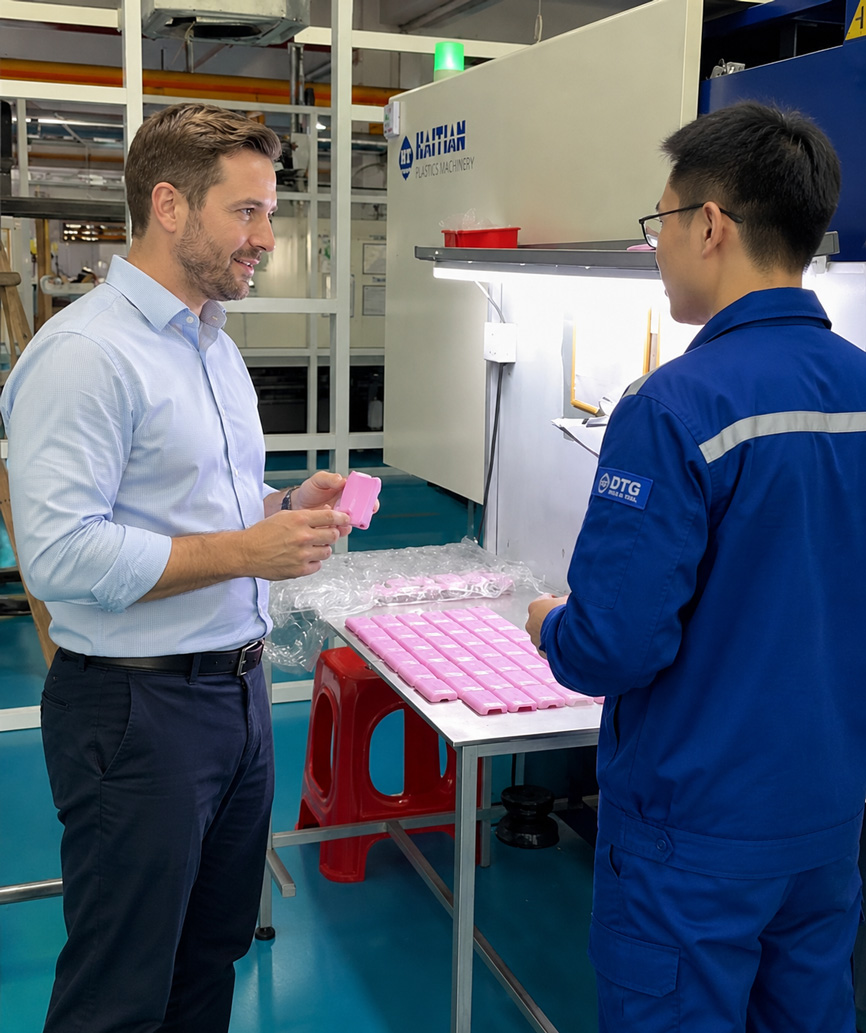
Yes, neoprene can be injection molded. Neoprene, also known as polychloroprene, is a synthetic rubber with a wide range of applications due to its flexibility, chemical resistance, and durability. Injection molding is a common manufacturing process used to produce neoprene parts, especially for items that require complex shapes and high precision.
Injection Molding Process for Neoprene
1. Material Preparation
- Compounding: Neoprene is mixed with other ingredients such as fillers, plasticizers, stabilizers, and curing agents to achieve the desired properties.
- Pelletizing: The compounded neoprene is then processed into pellets or granules suitable for injection molding.
[elementor-template id=”4330″]
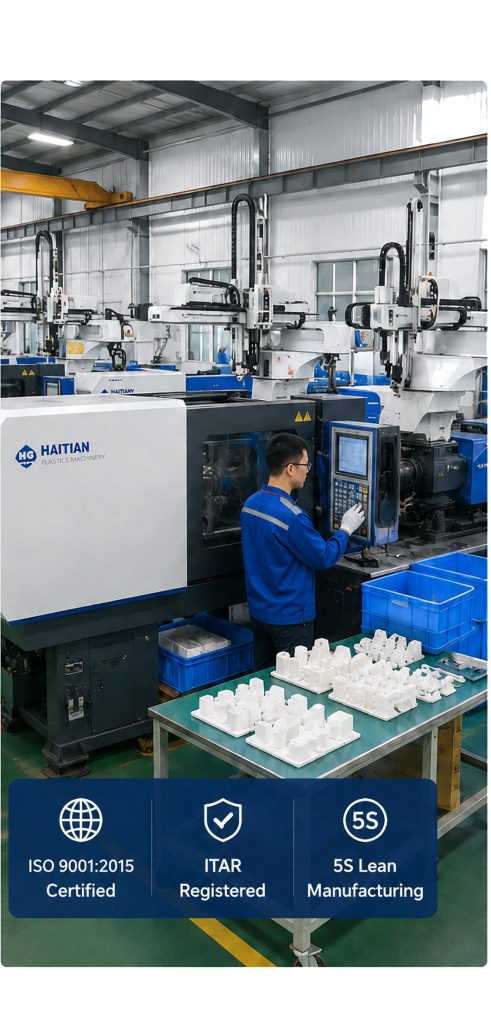
2. Injection Molding Machine Setup
- Machine Type: Standard injection molding machines can be used for neoprene, but they must be capable of handling elastomeric materials.
- Temperature Control: The machine must have precise temperature control to ensure the neoprene is heated to the correct processing temperature without degrading.
3. Molding Process
- Heating: The neoprene pellets are heated until they become a viscous fluid.
- Injection: The heated neoprene is injected into a mold cavity under high pressure.
- Curing: Neoprene requires a curing phase where the material undergoes cross-linking to achieve its final properties. This is typically done within the mold.
- Cooling and Ejection: After curing, the part is cooled and ejected from the mold.
4. Post-Molding Operations
- Finishing: Depending on the application, additional steps such as trimming, deflashing, or surface treatments may be required to achieve the desired finish.
Advantages of Injection Molding Neoprene
1. Complex Geometries
- Design Flexibility: Injection molding allows for the production of complex shapes with high precision and repeatability.
2. Efficiency
- High Production Rates: Injection molding is suitable for high-volume production, making it cost-effective for large-scale manufacturing.
- Material Utilization: The process minimizes waste, as excess material can often be recycled.
3. Material Properties
- Durability: Neoprene parts produced via injection molding retain excellent mechanical properties, including flexibility, toughness, and resistance to environmental factors.
Applications of Injection Molded Neoprene
1. Automotive Industry
- Gaskets and Seals: Neoprene is widely used for gaskets and seals due to its resistance to oils and chemicals.
- Bushings and Mounts: Its elasticity and durability make it ideal for vibration dampening applications.
[elementor-template id=”4331″]
2. Consumer Products
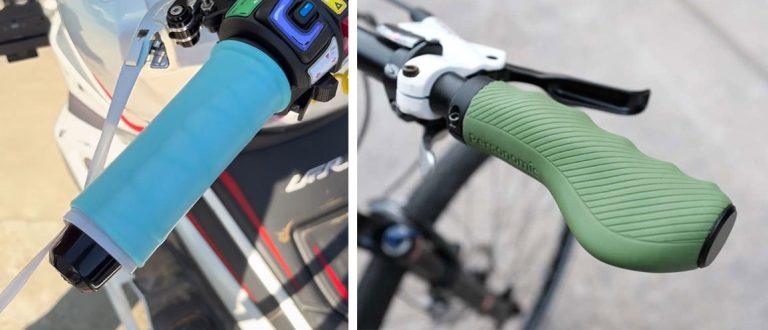
- Sports Equipment: Neoprene is used in items such as wetsuits, gloves, and knee pads.
- Medical Devices: Neoprene parts are used in medical equipment and orthotic supports.
3. Industrial Applications
- Hoses and Tubing: Neoprene’s chemical resistance makes it suitable for hoses and tubing used in harsh environments.
- Electrical Insulation: Neoprene is used for insulating electrical components due to its excellent insulating properties.
References
- Rubber Injection Molding: An Overview – Provides a detailed look at the rubber injection molding process, including materials like neoprene.
- Neoprene Characteristics and Applications – Discusses the properties of neoprene and its various applications in different industries.
- Injection Molding of Elastomers – A comprehensive guide to the injection molding process for elastomeric materials, including neoprene.
Injection molding is an effective method for producing high-quality neoprene parts, leveraging its advantages to create durable, flexible, and precise components for various applications.
Related Conten: Prototype Manufacturing