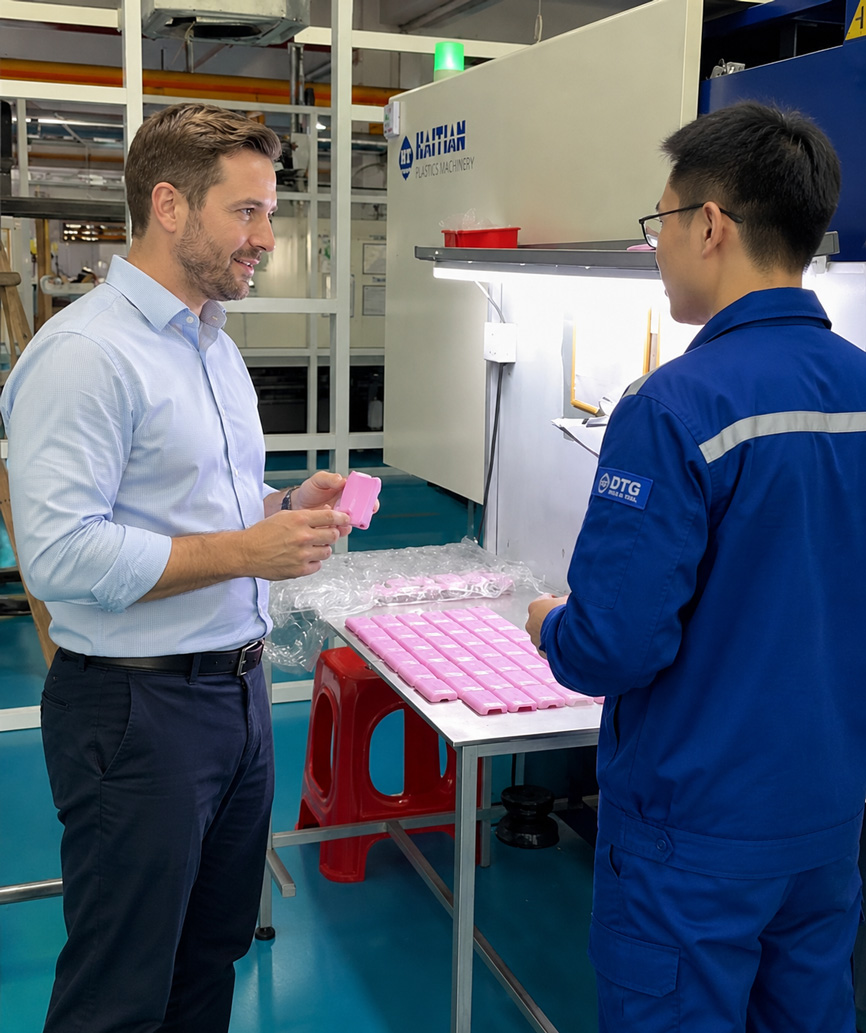
Yes, EPDM (Ethylene Propylene Diene Monomer) can be injection molded. EPDM is a versatile synthetic rubber known for its excellent resistance to heat, oxidation, weathering, and ozone. It is widely used in various applications, including automotive parts, seals, gaskets, and hoses. Here’s a detailed look at the injection molding process for EPDM:
Properties and Advantages of EPDM
Key Properties
- Weather Resistance: EPDM exhibits excellent resistance to UV radiation, ozone, and harsh weather conditions, making it suitable for outdoor applications.
- Thermal Stability: It maintains its properties over a wide temperature range, typically from -40°C to 150°C (-40°F to 302°F).
- Elasticity and Flexibility: EPDM has good elasticity and flexibility, which are essential for dynamic sealing applications.
- Chemical Resistance: It is resistant to a variety of chemicals, including water, acids, alkalis, and polar solvents.
Advantages
- Durability: The material’s resistance to aging and environmental factors contributes to its long lifespan.
- Versatility: EPDM can be formulated to meet specific performance requirements, such as hardness, tensile strength, and elongation.
Injection Molding Process for EPDM
Material Preparation
- Compounding: EPDM is typically compounded with fillers, oils, and curing agents to achieve the desired properties. The compound must be properly mixed to ensure uniformity.
- Pelletization: The compounded material is often pelletized to facilitate handling and feeding into the injection molding machine.
Molding Equipment
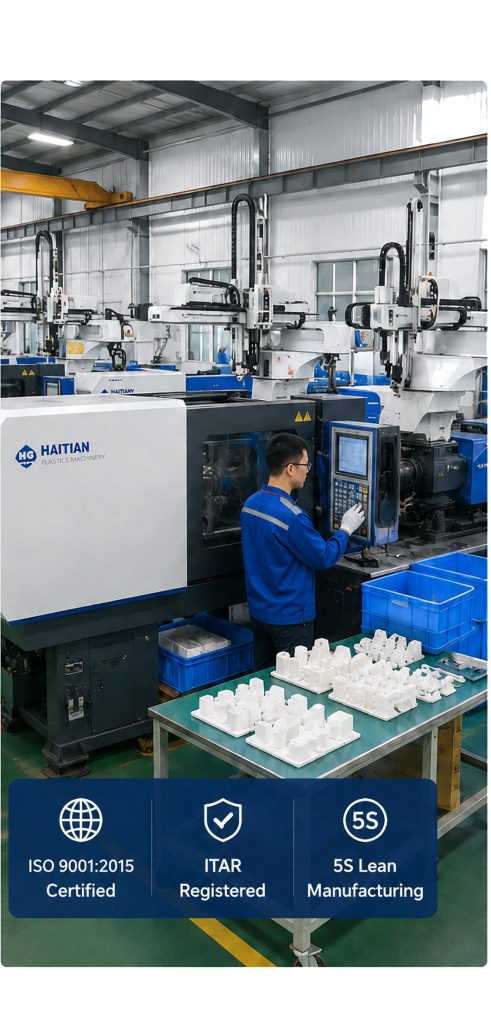
- Injection Molding Machine: Standard injection molding machines can be used for EPDM, but the process parameters must be optimized for the specific material formulation.
- Screw and Barrel Design: The screw and barrel design should accommodate the viscous nature of EPDM to ensure proper mixing and plasticization.
Process Parameters
- Temperature: The barrel and mold temperatures must be carefully controlled to ensure proper flow and curing of the EPDM material.
- Injection Pressure: Sufficient injection pressure is required to fill the mold cavity completely and avoid defects such as voids or incomplete filling.
- Curing Time: EPDM requires a curing phase, typically achieved by maintaining the molded part at an elevated temperature for a specified period. This step ensures the material crosslinks properly, providing the desired mechanical properties.
Mold Design
- Venting: Adequate venting is necessary to allow trapped gases to escape during the injection process, preventing defects like bubbles or burns.
- Ejection System: The ejection system must be designed to handle the flexibility and elasticity of EPDM without causing damage to the parts.
[elementor-template id=”4330″]
Applications
- Automotive Industry: EPDM is used for weather seals, hoses, gaskets, and other components exposed to harsh environmental conditions.
- Construction: It is used in roofing membranes, window seals, and other building materials requiring durability and weather resistance.
- Consumer Goods: EPDM is found in a variety of household and industrial products, including appliance seals, garden hoses, and electrical insulation.
Conclusion
EPDM can be effectively injection molded, offering a combination of excellent weather resistance, thermal stability, and flexibility. Proper compounding, process parameter optimization, and mold design are essential to achieve high-quality molded parts.
Related Conten: Injection Mold Manufacturing