
Industrial Design & DFM for Injection Molding
From concept development and structural design to DFM analysis, we help optimize part geometry, manufacturability, tooling feasibility, and production readiness before tooling begins.
Engineering-Driven Industrial Design for Injection Molding
We focus on structure design and DFM for injection molding, helping optimize part geometry so components can be tooled, molded, assembled, and scaled into production reliably.
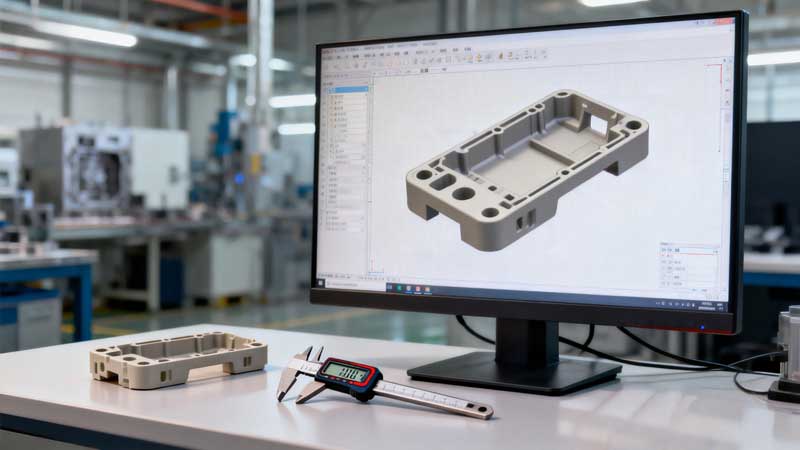
Quick DFM Checklist
- STEP/STP file and 2D drawing if available
- Material or target performance
- Prototype and production quantity
- Critical dimensions and tolerances
- Surface finish requirements
- Assembly and functional requirements
Manufacturable by Design
DFM-first decisions help reduce warpage, sink, difficult ejection, and unnecessary rework before tooling begins.
Backed by Tooling + Molding
Our design team works with tooling and molding teams so recommendations remain practical for real production.
Faster RFQ, Lower Risk
Clear design inputs and manufacturing feedback create a more direct path from CAD review to sampling and production.
What “Industrial Design” Means at DTG
Our focus is engineering-driven industrial design: structure design and DFM that prepares plastic parts for tooling, molding, assembly, and reliable production.
Typical Engineering Topics We Handle
- Draft & parting strategy for clean ejection and practical mold construction
- Wall thickness optimization to reduce sink, warpage, and unnecessary cycle time
- Ribs, bosses & snap-fits for strength and repeatable assembly
- Tolerance and stack-up for functional fit and repeatability
- Tooling feasibility including undercuts, slides, lifters, inserts, and cost impact
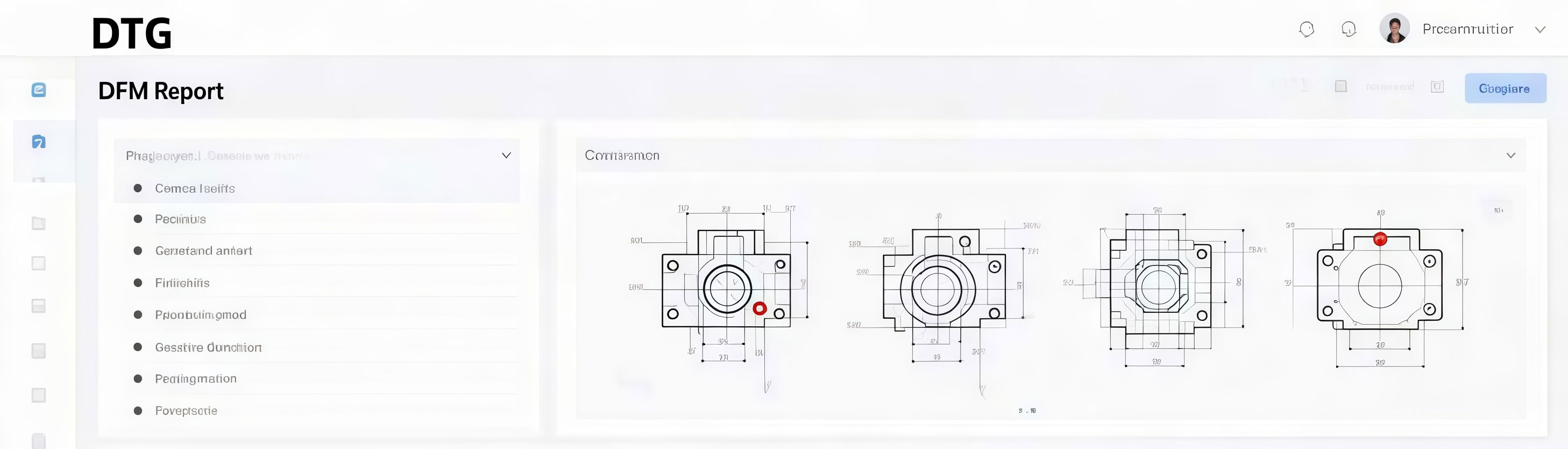
Deliverables You Can Expect
Practical engineering deliverables built for tooling and production, not just presentation.
DFM Review Report
Review of draft, walls, ribs, bosses, warpage risks, gate feasibility, tooling complexity, and cost concerns.
Manufacturing-Ready CAD
STEP or IGES updates aligned with molding, tooling, assembly, and production requirements.
Assembly & Tolerance Plan
Recommendations for snap-fits, screws, welding, tolerance stack-up, and functional fit.
Workflow: From Design to Tooling to Production
A practical development path that keeps engineering, tooling, and production aligned.
Requirements
Application, environment, target quantity, finish, material, and critical dimensions.
DFM + Structure
Draft, walls, ribs, bosses, snap-fits, tolerance strategy, and tooling feasibility.
Prototype
3D printing or prototype manufacturing to validate fit, function, and assembly.
Tooling + Sampling
Mold manufacturing, T0/T1 trials, design iterations, and customer approval.
Mass Production & Assembly
Stable injection molding, quality control, optional finishing, assembly, and packaging.
Applications We Commonly Support
Bladeless Hair Dryer Housing
Airflow channel structure, warpage control, cosmetic surfaces, and assembly alignment.
View Product Showcase →Smart Wristband Enclosure
Snap-fit strategy, sealing considerations, tolerance stack-up, and overmolding readiness.
class=”dtg-id-case-link” href=”/case-products/smart-wristband-enclosure-industrial-design”> View Product Showcase →Handheld Searchlight Housing
Engineering-driven housing design focused on structure, assembly, molding, and production feasibility.
View Product Showcase →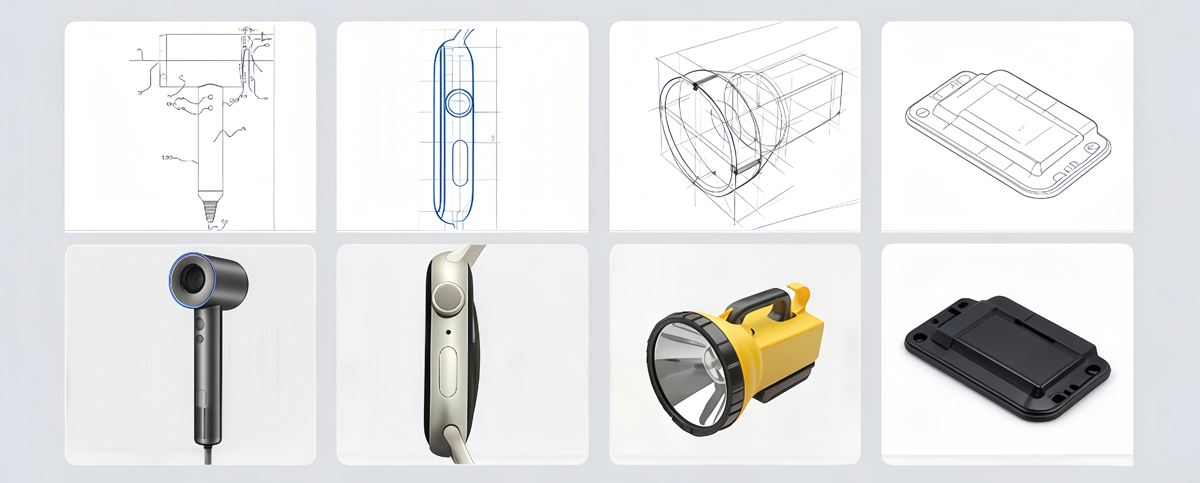
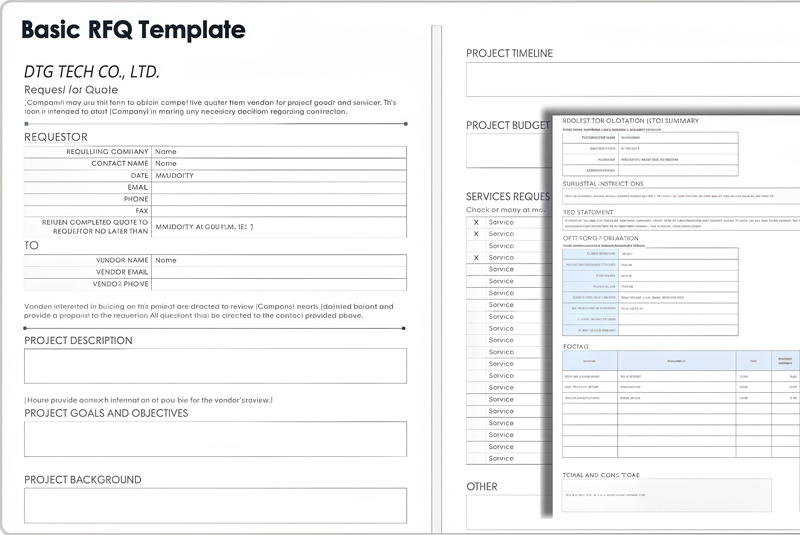
Send This for a Fast DFM Review
The more complete your project information, the faster our engineering team can evaluate manufacturability.
- 3D file: STEP/STP preferred, or IGS/IGES
- 2D drawing if available
- Prototype quantity and expected production volume
- Material preference or performance requirements
- Critical dimensions and tolerances
- Surface finish, texture, painting, or printing requirements
- Target timeline and shipping destination
Industrial Design & DFM FAQ
Do you provide industrial design without manufacturing?
DTG focuses on engineering-driven structure design and DFM for injection molding. Our strength is preparing products for tooling, molding, and production rather than styling alone.
Can you help if we already have CAD drawings?
Yes. Send your STEP/STP files and project requirements. We can review manufacturability, tooling feasibility, design risks, lead time, and preliminary cost.
What file formats do you accept?
STEP/STP is preferred. We can also review IGS/IGES, STL reference files, DWG/PDF drawings, and prototype photos.
How do you reduce risk before tooling?
We combine DFM review, structural optimization, prototype validation when needed, and early tooling feasibility analysis before steel cutting.
How early should we involve DFM in the project?
Ideally before tooling decisions are finalized. Early DFM makes it easier and less expensive to address undercuts, insufficient draft, uneven wall thickness, tolerance conflicts, and assembly issues.
Can DFM help reduce tooling cost or cycle time?
Yes. Geometry, wall thickness, tooling complexity, cooling strategy, ejection, and material decisions can all influence mold cost and production cycle time.
What happens if issues are found before tooling?
We identify the risk, propose design options, explain the impact on tooling, cost, and lead time, and align the solution before mold manufacturing begins.
Is Industrial Design & DFM suitable for low-volume projects?
Yes. DFM is valuable for prototype, pilot, low-volume, and mass-production projects because it reduces tooling risk and makes later scale-up easier.
Why Choose DTG for Custom Injection Molding Services?
Combining engineering expertise, advanced manufacturing, and rigorous quality control to support your project from concept to production.
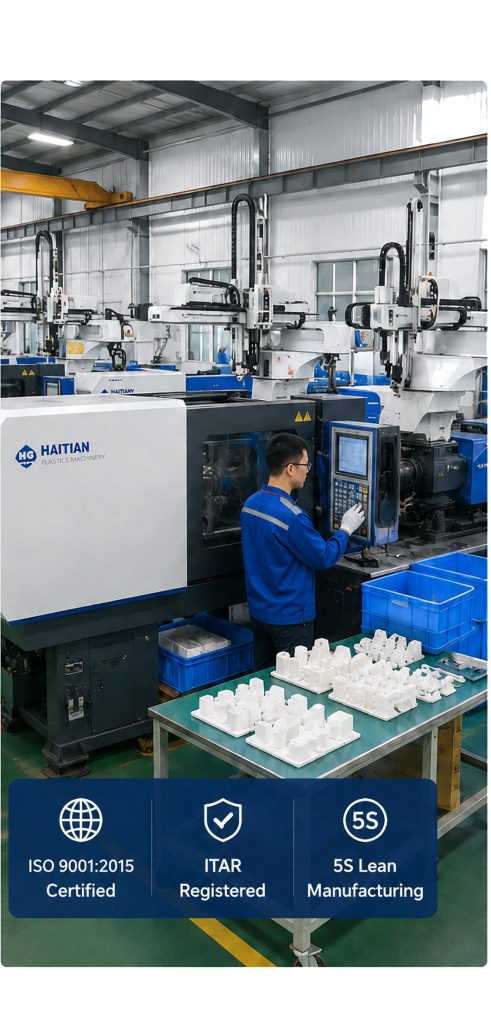

ISO 9001:2015 Certified
Our ISO 9001:2015 quality management system supports consistent processes from material inspection and molding to final inspection and shipment, helping ensure reliable and repeatable quality throughout production.
Advanced Manufacturing Equipment
Our modern injection molding equipment supports a wide range of part sizes, materials, and production volumes. Process control and inspection equipment help us maintain consistent quality from initial samples through full-scale production.
Engineering & DFM Support
Our engineering team provides DFM feedback, material selection support, and mold design recommendations before production, helping identify potential manufacturing issues early and reduce unnecessary tooling changes, delays, and costs.

Fast Lead Times
With coordinated engineering, tooling, and injection molding production, we streamline each stage from DFM review to mold trials and production, helping customers shorten development cycles and keep projects on schedule.

Injection Molding Expertise
Our team supports injection molding projects with complex geometries, tight tolerances, demanding cosmetic requirements, and a wide range of engineering plastics—from prototype development to repeat production.

Responsive Project Support
From quotation and DFM review through tooling, sampling, production, and delivery, our team keeps communication clear and responsive. Engineering questions, design changes, and production updates are handled quickly to keep your project moving.
Our Mold Design Process
From initial DFM review to mold validation, every step is engineered to reduce risk and prepare your tooling for reliable production.

Requirement Review
Understand part geometry, material, tolerance, volume, and project goals.

DFM & Concept Design
Evaluate manufacturability and develop the initial mold concept.

Detailed Mold Design
Complete 3D mold design including parting lines, gating, cooling, and ejection.

Mold Flow & Design Analysis
Review filling, cooling, warpage, and other potential molding risks before tooling.

Design Review & Approval
Review the mold design with the customer and confirm final requirements.

Tool Manufacturing
Manufacture mold components and complete assembly according to the approved design.

Mold Trial & Validation
Perform T0/T1 trials, inspect molded parts, and optimize the mold where necessary.

Production Release
Approve the mold for production and transfer it into stable injection molding.